
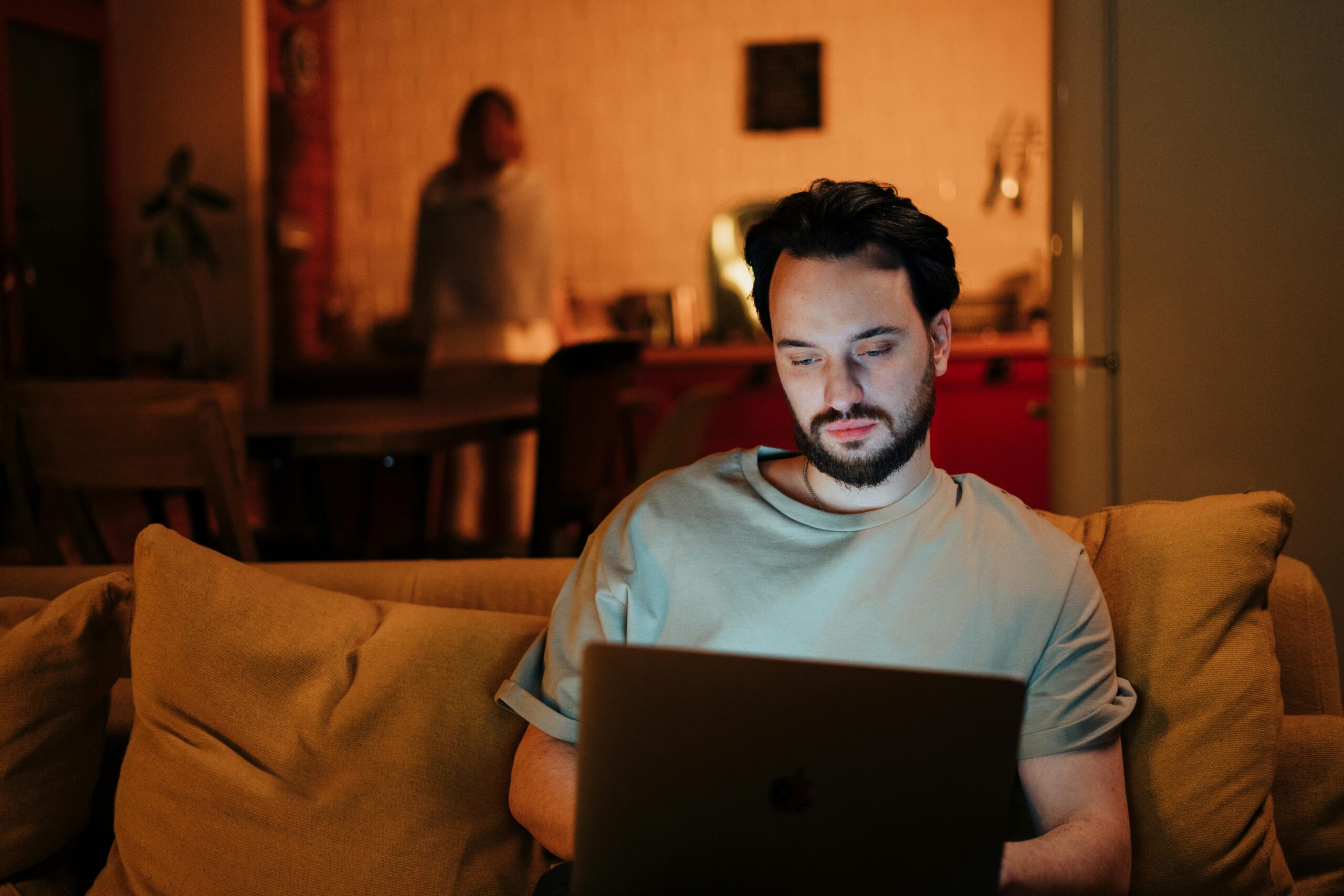
In today’s always-connected world, working late into the night has become increasingly common. From freelancers and remote workers to IT professionals, call center employees, content creators, and startup founders, millions of people regularly work after midnight. While late-night work may seem productive or unavoidable, it carries serious short-term and long-term health risks that often go unnoticed until they become severe.
This article explores late night worker health issues in depth, with a special focus on freelancers and remote workers, real-life scenarios, scientific explanations, and practical steps to protect health while working non-traditional hours.
Who Are Late Night Workers?
Late night workers are individuals who regularly work during nighttime hours, typically between 10 PM and 6 AM. This includes:
- Freelancers working with international clients
- Remote employees in global companies
- IT professionals and developers
- Customer support and call center workers
- Digital marketers and content creators
- Online tutors and consultants
- Startup founders and entrepreneurs
Freelancers, in particular, often choose or are forced into late-night schedules to match clients in different time zones, especially those working with clients in North America or Europe.
Why Late Night Work Is Increasing
Several modern factors contribute to the rise of late-night work:
- Globalization and time zone differences
- Remote work culture
- Gig economy growth
- Freelancing platforms operating 24/7
- Internet-based jobs and digital services
- Pressure to meet tight deadlines
For freelancers, late-night work often feels like the only option to secure better-paying international clients.
Understanding the Body’s Natural Clock (Circadian Rhythm)
The human body operates on a circadian rhythm, a 24-hour internal clock that regulates:
- Sleep and wake cycles
- Hormone release
- Body temperature
- Digestion
- Mental alertness
This rhythm is synchronized with natural daylight and darkness. Working at night disrupts this system, forcing the body to function against its biological design.
When late-night work becomes habitual, the body struggles to adapt, leading to chronic health problems.
Major Health Issues Faced by Late Night Workers
Sleep Disorders and Chronic Fatigue
Sleep disruption is the most immediate and common issue.
Late-night workers often experience:
- Insomnia
- Irregular sleep schedules
- Poor sleep quality
- Difficulty falling or staying asleep
Sleeping during the day does not provide the same restorative benefits as night sleep. Over time, this leads to chronic fatigue, reduced concentration, and constant exhaustion.
Real-Life Freelancer Example:
A freelance graphic designer working with US-based clients regularly worked from 9 PM to 5 AM. Despite sleeping during the day, she constantly felt tired, unfocused, and irritable. After two years, she developed severe insomnia and required medical intervention to reset her sleep cycle.
Mental Health Issues: Stress, Anxiety, and Depression
Late-night work is strongly linked to mental health challenges.
Common mental health effects include:
- Increased stress levels
- Anxiety disorders
- Depression
- Mood swings
- Burnout
Working at night often leads to social isolation, reduced family interaction, and lack of emotional support. Freelancers working alone at night are especially vulnerable.
Freelancer Scenario:
A freelance content writer working overnight began experiencing anxiety attacks before work sessions. The lack of daylight, isolation, and constant deadlines led to emotional exhaustion and depression.
Hormonal Imbalance
Night work disrupts hormone production, especially:
- Melatonin (sleep hormone)
- Cortisol (stress hormone)
- Insulin (blood sugar regulation)
Low melatonin affects sleep quality, immunity, and mood. High cortisol increases stress and inflammation, raising the risk of long-term diseases.
Hormonal imbalance can also affect reproductive health in both men and women.
Digestive Problems and Poor Gut Health
Late-night workers often develop unhealthy eating habits, such as:
- Skipping meals
- Eating junk food at night
- Drinking excessive caffeine
Digestive issues include:
- Acid reflux
- Indigestion
- Constipation
- Irritable bowel syndrome (IBS)
Eating late at night disrupts digestion and metabolism.
Freelancer Example:
A web developer working night shifts relied heavily on coffee and fast food. After a year, he developed chronic acidity and stomach pain, requiring lifestyle changes and medical treatment.
Weight Gain and Metabolic Disorders
Night work is associated with:
- Weight gain
- Obesity
- Insulin resistance
- Increased risk of type 2 diabetes
Disrupted sleep affects appetite-regulating hormones, leading to cravings for sugary and high-calorie foods.
Freelancers with irregular schedules often struggle to maintain consistent exercise routines, worsening the problem.
Cardiovascular Health Risks
Long-term late-night work increases the risk of:
- High blood pressure
- Heart disease
- Stroke
Chronic stress, poor sleep, unhealthy diet, and lack of physical activity combine to strain the cardiovascular system.
Reduced Immunity
Sleep deprivation weakens the immune system, making late-night workers more susceptible to:
- Frequent colds and infections
- Slow recovery from illness
- Chronic inflammation
Freelancers often ignore early symptoms due to deadlines, allowing minor health issues to escalate.
Eye Strain and Vision Problems
Extended screen exposure at night causes:
- Digital eye strain
- Dry eyes
- Blurred vision
- Headaches
Blue light from screens suppresses melatonin production, further disrupting sleep cycles.
Musculoskeletal Problems
Poor posture during long night sessions leads to:
- Neck pain
- Back pain
- Wrist and shoulder strain
- Repetitive stress injuries
Freelancers often work without ergonomic setups, increasing physical discomfort.
Social and Lifestyle Consequences of Late Night Work
Social Isolation
Late-night workers miss social events, family time, and community interactions. Over time, this isolation affects emotional well-being and relationships.
Work-Life Imbalance
Freelancers working nights often struggle to separate work from personal life. Clients expect availability at all hours, leading to burnout.
Increased Dependency on Stimulants
To stay awake, late-night workers often rely on:
- Coffee
- Energy drinks
- Nicotine
Excessive stimulant use worsens anxiety, sleep disorders, and heart health.
Why Freelancers Are More Vulnerable
Freelancers face unique challenges:
- No fixed schedules
- Income insecurity
- Pressure to accept late-night work
- Lack of employer health support
- Solo working conditions
Unlike corporate night-shift workers, freelancers rarely receive health screenings or structured breaks.
Real-Life Freelancer Case Studies
Case Study 1: The Remote Developer
A software developer working for a US startup spent five years on a night schedule. Initially productive, he later developed high blood pressure, anxiety, and severe burnout. After switching to overlapping hours and setting boundaries, his health gradually improved.
Case Study 2: The Online Tutor
An online tutor teaching students abroad worked from midnight to morning. She experienced voice strain, sleep issues, and depression. By reducing night hours and prioritizing sleep hygiene, she regained energy and motivation.
How Late Night Workers Can Protect Their Health
Establish a Consistent Sleep Routine
Even if sleeping during the day, maintain fixed sleep and wake times.
Create a Sleep-Friendly Environment
Use blackout curtains, reduce noise, and keep the room cool.
Limit Caffeine Intake
Avoid caffeine at least 6 hours before sleep.
Practice Healthy Night-Time Eating
Choose light, nutritious meals instead of junk food.
Exercise Regularly
Short daily workouts help regulate metabolism and reduce stress.
Take Screen Breaks
Follow the 20-20-20 rule to protect eye health.
Set Work Boundaries
Freelancers should define working hours and communicate availability clearly to clients.
Get Regular Health Checkups
Monitor blood pressure, sugar levels, and mental health.
When to Seek Professional Help
Consult a healthcare professional if experiencing:
- Persistent insomnia
- Anxiety or depression
- Chronic fatigue
- Digestive or heart problems
Early intervention prevents long-term damage.
The Future of Night Work and Health Awareness
As remote work grows, awareness of late-night work health risks is increasing. Employers and freelancers are gradually adopting:
- Flexible scheduling
- Mental health support
- Wellness-focused work cultures
Technology should enhance life, not harm health.
Final Thoughts
Late-night work may offer financial and professional opportunities, especially for freelancers, but it comes at a significant health cost if unmanaged. Sleep disruption, mental stress, metabolic disorders, and social isolation are real and serious issues.
By understanding the risks and adopting healthier work habits, late-night workers can protect their health while maintaining productivity. Success should never come at the cost of long-term well-being.