
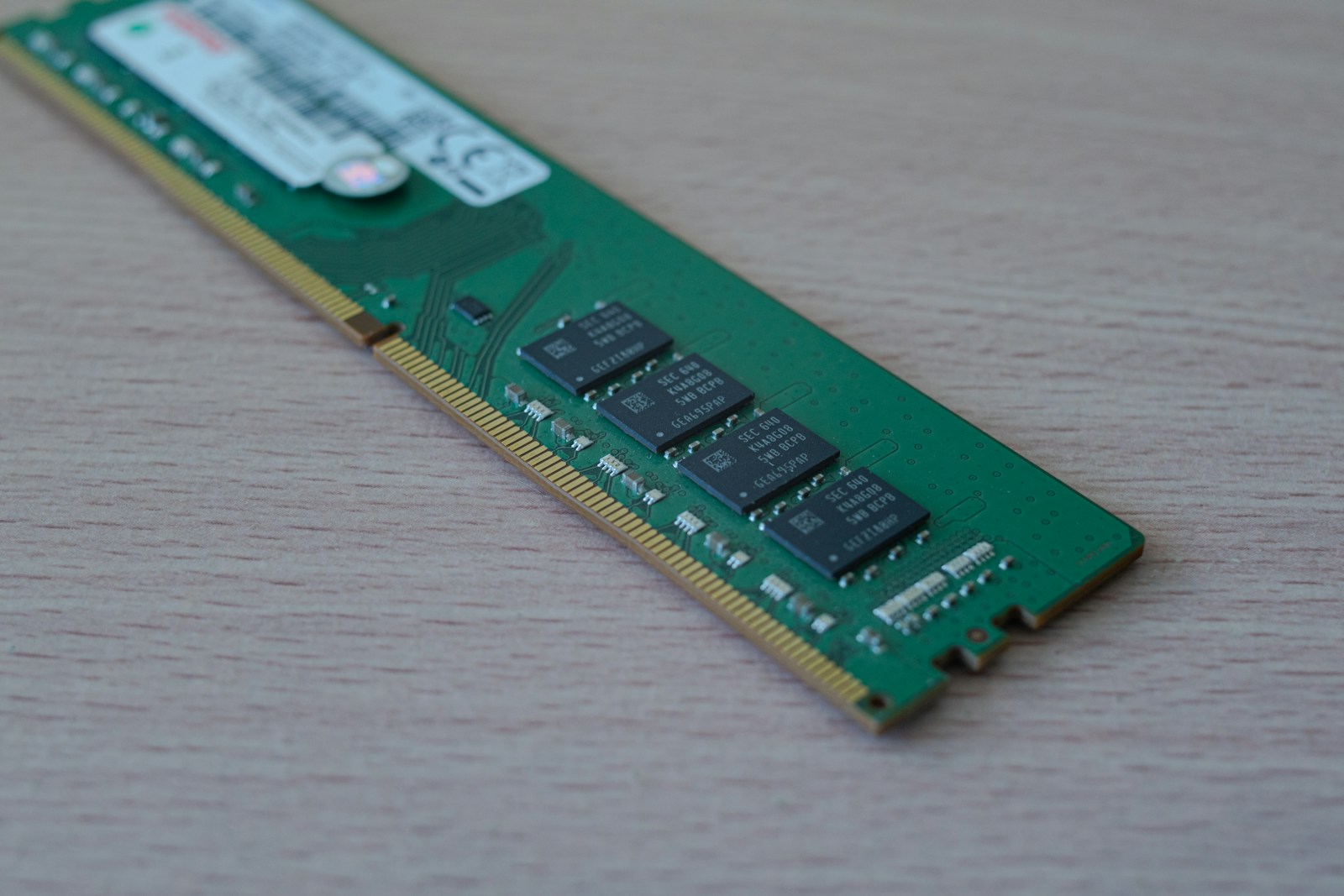
For years, computer users have grown accustomed to seeing memory (RAM) prices fluctuate. Recently, many consumers, gamers, professionals, and businesses have noticed a steady rise in the prices of DRAM (Dynamic Random-Access Memory). Whether you’re building a PC, upgrading a laptop, or buying servers for enterprise workloads, rising RAM costs have become hard to ignore.
This article provides an in-depth look at the causes of the RAM price hike, the global market dynamics behind it, and future predictions for price trends. We’ll explore supply chain disruption, semiconductor economics, and industry trends to help you understand why RAM prices are rising and what might happen next.
What Is RAM and Why Its Price Matters
Random-Access Memory (RAM) is a type of volatile memory used in digital devices to store active data for quick access. In PCs, laptops, gaming consoles, and servers, RAM serves as short-term “working memory” that allows the processor to access data rapidly.
Key reasons RAM price changes matter:
- RAM is a critical component in computing performance
- It affects overall system responsiveness and multitasking
- It represents a significant portion of upgrade costs
- Price volatility impacts manufacturers, OEMs, and consumers
Unlike storage (such as SSDs or HDDs), RAM cannot be easily replaced with cheaper alternatives without affecting system performance. That makes its pricing sensitive and influential.
Historical Context: RAM Price Cycles
RAM pricing has historically followed cyclical boom-and-bust patterns. This behavior is driven by supply and demand imbalances, production cycles, and inventory buildup.
Typical RAM Price Cycle Phases
- Supply Surplus: Excess production capacity causes prices to drop
- Strong Demand Growth: New device launches spike demand
- Supply Constraints: Production delays or factory issues reduce supply
- Price Spike: Supply shortage drives prices up
- Inventory Adjustment: Market stabilizes as supply catches up
This cycle can repeat every 12–36 months depending on market conditions.
Key Reasons for the Current RAM Price Hike
1. Global Semiconductor Shortage
Since 2020, the world has faced a severe shortage of semiconductors. While initially triggered by supply chain disruptions from COVID-19 lockdowns, the effects spread across the entire electronics industry.
How it affects RAM:
- RAM production requires advanced semiconductor fabrication
- Fab capacity was diverted to chips with higher immediate demand (automotive, AI, etc.)
- Manufacturers reduced or delayed DRAM output
Semiconductor capacity takes time to expand. Producers may prioritize more profitable segments, which can reduce memory output and push prices upward.
2. Supply Chain and Logistics Issues
The pandemic disrupted global logistics for years, including:
- Shipping delays
- Container shortages
- Port congestion
- Raw material shortages
RAM modules require multiple upstream components. Any breakdown reduces finished product availability and increases pricing pressure.
3. Strong Demand for Electronics
Demand for electronics grew rapidly due to:
- Remote work and distance learning
- Gaming PC and laptop upgrades
- Cloud data center expansion
- AI and machine learning workloads
With more people buying devices and more companies scaling servers, demand increased while supply struggled to keep up.
4. Geopolitical Tensions and Trade Restrictions
Trade restrictions and geopolitical tensions have affected semiconductor planning and supply stability. These factors increase uncertainty and often raise costs across the tech supply chain.
5. Consolidation in the Memory Industry
The DRAM market is dominated by a small number of major producers:
- Samsung
- SK Hynix
- Micron
This limited competition means supply constraints can translate more directly into sustained higher prices.
6. Increased Production Costs
Manufacturing memory chips has become more expensive due to:
- Higher wafer and fabrication costs
- Advanced process requirements
- Rising energy prices
- Compliance and operational costs
When production costs rise, consumer pricing often rises as well.
7. Transition to Newer Memory Standards
The shift from DDR4 to DDR5 influences pricing:
- DDR5 production volumes start limited
- New technology usually carries a premium
- Manufacturers shift resources from DDR4 to DDR5
This transition can tighten supply and keep pricing elevated, especially for early DDR5 markets.
How RAM Price Hikes Affect Consumers and Businesses
For Consumers
- Higher costs for custom PC builds
- More expensive laptop and desktop upgrades
- Fewer discount opportunities during peak demand
For Businesses
- Higher procurement costs for workstations and servers
- Increased IT budgets for scaling infrastructure
- Delays in planned deployments due to cost uncertainty
Current Market Snapshot (2025–2026)
As of late 2025 to early 2026:
- DRAM prices remain above long-term averages
- DDR5 continues to cost more than DDR4
- Channel inventory levels can be tight
- Enterprise and data center demand continues to grow
Market pricing remains sensitive to economic conditions, fab capacity expansion, and inventory cycles.
Future Predictions for RAM Prices
1. Gradual Price Stabilization in 2026–2027
As more manufacturing capacity comes online and supply chains improve, prices may stabilize over time.
2. DDR5 Becomes More Common
As DDR5 adoption grows across desktops, laptops, and servers, production volume increases, which may gradually reduce pricing.
3. DDR4 Discounts Increase
As DDR5 replaces DDR4 in mainstream devices, older DDR4 modules may become cheaper, offering strong value for budget builds.
4. Fab Capacity Expansion Improves Supply
New or expanded fabrication facilities can improve supply, reducing long-term pricing pressure.
5. Geopolitical Risks May Continue
Trade restrictions and global uncertainty may continue to affect supply and pricing unpredictably.
Tips for Buyers in a High-Price RAM Market
1. Buy During Seasonal Sales
Discount periods like Black Friday or back-to-school campaigns often provide better deals.
2. Consider DDR4 for Budget Builds
DDR4 still offers strong performance for many users and is usually cheaper than DDR5.
3. Track Pricing Trends
Using price tracking tools helps you avoid buying at peak pricing periods.
4. Consider Used or Refurbished RAM
For older platforms, used RAM modules can offer significant savings.
5. Buy for Long-Term Needs
If you must buy now, consider purchasing enough RAM to avoid upgrading again soon.
Final Thoughts
The RAM price hike is driven by multiple factors: supply chain disruption, strong demand, geopolitics, limited major manufacturers, rising production costs, and the DDR4-to-DDR5 transition. While prices may remain elevated in the near term, trends suggest potential stabilization as supply catches up with demand.
For consumers and businesses alike, understanding these market dynamics can lead to smarter purchase timing and better long-term planning.