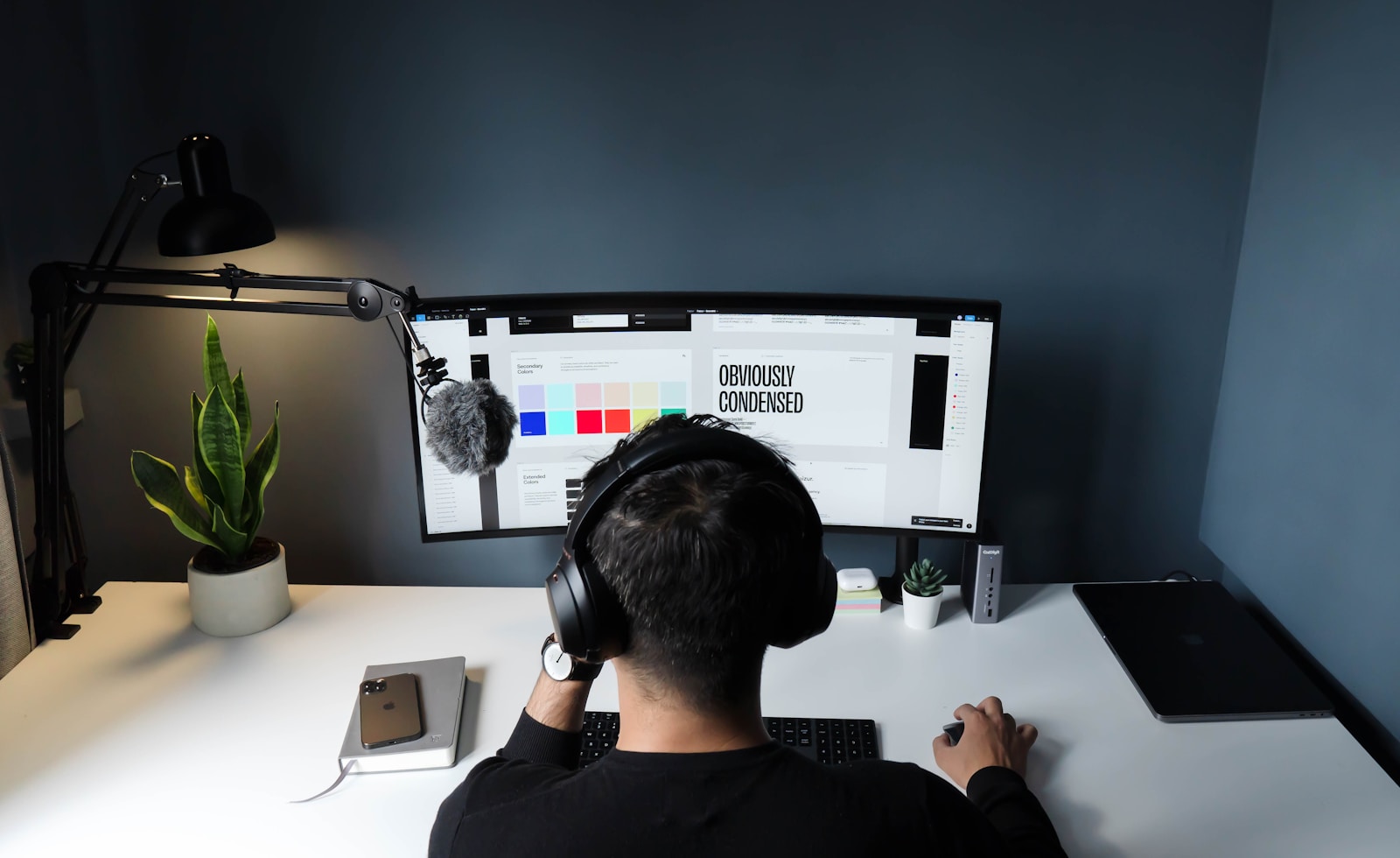
Working from home sounds like the ideal setup. No commute, flexible hours, your own environment, and the freedom to structure your day however suits you best. For freelancers and remote workers, that freedom is real — but it comes with a set of health challenges that office workers rarely face in the same way.
When your home is also your workplace, the boundaries that naturally separate work from rest disappear. You sit longer, move less, eat inconsistently, sleep at irregular hours, and spend most of your day staring at a screen without the social interaction that breaks up a typical office day. Over months and years, these patterns add up in ways that affect physical health, mental clarity, and long-term wellbeing.
This guide covers practical, actionable health tips built specifically around the realities of freelancing and remote work — not generic wellness advice, but habits that actually fit into a work-from-home lifestyle.
Why Freelancers and Remote Workers Face Unique Health Risks
Before getting into the tips, it helps to understand why remote work creates specific health challenges that are different from a standard office environment.
No Built-In Structure
Office workers have an enforced daily rhythm — commute, desk time, lunch break, meetings, commute home. That structure, even when it feels constraining, regulates the body’s natural patterns for movement, eating, and rest. Remote workers have none of that imposed structure. Every decision about when to eat, move, take a break, or stop working requires active choice — and when you are focused on deadlines, those choices often get skipped.
Prolonged Sitting
Remote workers consistently sit longer than office workers. Without the natural interruptions of office life — walking to meeting rooms, talking to colleagues, moving between floors — it is entirely possible to sit in the same chair for six, eight, or ten hours with only minimal movement. Prolonged sitting is linked to increased risk of cardiovascular disease, metabolic issues, lower back problems, and reduced circulation in the legs.
Screen Time Without Breaks
Freelancers often work on screens for extended periods without the natural breaks that punctuate office work. Back-to-back screen time strains the eyes, contributes to headaches, disrupts sleep when it extends into evening hours, and affects posture as the body unconsciously hunches toward the screen over time.
Social Isolation
Human beings are social by nature. Office environments provide background social interaction that most people do not actively notice until it is gone. Remote workers — especially solo freelancers — can go entire working days with minimal human contact. Over time, isolation contributes to low mood, reduced motivation, anxiety, and in more serious cases, depression.
Boundary Collapse Between Work and Rest
When your bedroom, living room, or kitchen doubles as your office, the psychological separation between work mode and rest mode becomes difficult to maintain. Many freelancers report working late into the night, checking messages first thing in the morning, and never fully switching off — leading to chronic low-grade stress and poor sleep quality.
Physical Health Tips
1. Set Up an Ergonomic Workspace
Your physical environment directly shapes your body over the hours you spend in it. An uncomfortable or poorly arranged workspace creates cumulative strain that builds into chronic pain over months and years.
What a Basic Ergonomic Setup Looks Like
- Chair: Adjust seat height so your feet rest flat on the floor and your knees are at a 90-degree angle. Lumbar support for the lower back is important — if your chair does not have it, a small cushion or rolled towel works
- Monitor: The top of your screen should be at or just below eye level. Looking down at a laptop for hours causes neck and upper back strain — a laptop stand with an external keyboard solves this
- Keyboard and mouse: Keep them at a height where your elbows are at roughly 90 degrees and your wrists stay neutral — not bent up or down
- Desk depth: Your monitor should be roughly an arm’s length away from your face — about 50 to 70 centimetres
- Lighting: Position your monitor so windows are to the side rather than directly behind or in front of the screen to reduce glare
For freelancers in Dhaka working in home setups with limited space, even small adjustments — a monitor stand, a proper chair, an external keyboard — make a measurable difference to daily comfort and long-term spinal health.
2. Follow the 20-20-20 Rule for Eye Health
Screen time is unavoidable in remote work. The 20-20-20 rule is one of the most practical and evidence-backed habits for reducing eye strain:
- Every 20 minutes, look at something at least 20 feet away for at least 20 seconds
- This allows the eye muscles that focus at close range to relax
- Set a recurring reminder on your phone or use a browser extension to prompt you
Additional eye care habits:
- Reduce screen brightness to match ambient room lighting
- Use night mode or a blue light filter from late afternoon onward
- Blink consciously — people blink significantly less when staring at screens, leading to dry eyes
- Get an annual eye checkup — many freelancers ignore vision changes until they become serious
3. Move Every Hour Without Exception
The research on prolonged sitting is consistent — sitting for more than an hour continuously without movement increases metabolic and cardiovascular risk regardless of how much you exercise at other times of day. Exercise before or after work does not fully offset the effects of eight hours of uninterrupted sitting.
Practical Ways to Build Movement Into Your Day
- Set a timer for 50 minutes of focused work followed by a 10-minute movement break
- Use that break to walk around your home, do a few stretches, or simply stand and move your body
- Take phone calls standing up or walking — calls are one of the easiest opportunities to add movement without interrupting work
- If possible, work at a standing desk for part of the day — even a makeshift elevated surface works
- After lunch, take a 10 to 15 minute walk outside — this helps digestion, resets focus, and breaks the sitting cycle
4. Build a Consistent Exercise Routine
Movement breaks during the day are not a substitute for regular exercise. Freelancers and remote workers need to actively schedule exercise the same way they schedule client work — otherwise it consistently gets pushed aside.
What Works for Remote Workers
- Morning exercise works best for most freelancers — it happens before the work day absorbs the day’s energy and sets a positive physical tone for hours of desk work ahead
- 30 minutes of moderate activity five days a week is the baseline recommendation — this includes brisk walking, cycling, swimming, or home workouts
- Resistance training two to three times per week helps counter the muscle weakening effects of prolonged sitting — bodyweight exercises require no equipment and no gym membership
- Consistency over intensity — a 30-minute walk every day delivers more health benefit than an intense gym session once a week
For freelancers in Bangladesh, options include morning walks in local parks, home workout routines using YouTube or apps, and bodyweight training that requires no equipment.
5. Pay Attention to Posture
Poor posture during desk work is one of the most common sources of chronic pain for remote workers — affecting the neck, upper back, lower back, and shoulders.
Common Posture Problems and Fixes
- Forward head posture — the head drifts forward toward the screen, straining the neck. Fix: raise monitor height so you look slightly forward rather than down
- Rounded shoulders — caused by reaching forward to type for long periods. Fix: pull shoulder blades back and down periodically, do doorframe chest stretches
- Lower back collapse — the lumbar spine loses its natural curve during long sitting sessions. Fix: lumbar support, sitting fully back in the chair, or using a cushion
- Crossed legs — restricts circulation and creates hip imbalance over time. Fix: keep both feet flat on the floor
Set a posture reminder every 30 minutes — when it goes off, check your position and correct it. Over time the corrections become habitual.
Nutrition and Diet Tips
6. Eat at Consistent Times Every Day
One of the most overlooked health risks for freelancers is irregular eating. When there is no fixed lunch break, meals get skipped, pushed back, or replaced by snacking while working. This disrupts blood sugar regulation, energy levels, and digestive rhythm.
Simple Rules That Work
- Set fixed meal times and treat them as non-negotiable appointments in your schedule
- Eat breakfast within an hour of waking — skipping breakfast leads to energy crashes and overeating later
- Take a proper lunch break away from the screen — even 20 minutes sitting away from the desk improves digestion and mental reset
- Avoid eating at your desk while working — it leads to mindless overeating and removes the psychological break that meals are supposed to provide
7. Stay Hydrated Throughout the Day
Dehydration is more common among remote workers than most people expect. Without the passive cues of office water coolers, meeting room water jugs, and colleague habits, it is easy to go hours without drinking anything.
Mild dehydration — even before you feel thirsty — affects concentration, memory, and mood. Headaches that remote workers attribute to screen time are often partly dehydration.
Practical Hydration Habits
- Keep a full water bottle on your desk at all times — visibility is the simplest trigger for drinking
- Aim for at least 2 litres of water per day — more if you are in a hot climate or exercising
- Drink a glass of water first thing in the morning before coffee or tea
- Set a water reminder on your phone if you consistently forget
8. Avoid the Snacking Trap
Working from home means the kitchen is always within reach. For many remote workers, boredom, stress, and habit lead to frequent snacking that adds up to significant excess calorie intake over time without any conscious awareness.
How to Manage It
- Keep unhealthy snacks out of the house or out of easy reach — if you have to actively seek them out, you will eat them far less often
- Prepare healthy snacks in advance — fruit, nuts, yogurt, or cut vegetables that are easy to grab without preparation
- Distinguish between genuine hunger and boredom or stress eating — if you just ate an hour ago and feel like snacking, drink water first and wait 10 minutes
- Avoid eating in front of your screen — it disconnects eating from hunger signals and makes portion awareness difficult
Mental Health Tips
9. Maintain Clear Work Hours and Stick to Them
Boundary collapse is one of the most damaging aspects of remote work for mental health. When work can happen at any time, it tends to expand into all time — and the psychological cost accumulates quietly.
Setting Effective Work Boundaries
- Define a start time and an end time for your working day and communicate them to clients
- When the end time arrives, close your work applications, silence work notifications, and physically move away from your workspace if possible
- Avoid checking emails or client messages after work hours — if urgent matters arise consistently, set clear response time expectations with clients upfront
- Create a short end-of-day ritual that signals to your brain that work is done — a walk, a specific playlist, making tea — any consistent action that marks the transition
10. Build Social Connection Deliberately
Isolation is one of the most underestimated health risks of solo freelancing. Social connection is not a luxury — it is a genuine health requirement that affects mood, cognitive function, immune response, and long-term mental health.
Practical Ways to Stay Connected
- Schedule regular calls or video chats with friends, family, or fellow freelancers — treat them as fixed appointments
- Work from a cafe or co-working space once or twice a week — background social presence is enough to reduce the effects of isolation even without direct interaction
- Join online communities relevant to your work — freelancing forums, local Facebook groups, Discord communities, or Slack workspaces where peers share experiences
- Attend local meetups, workshops, or industry events periodically — even occasional face-to-face interaction has a meaningful effect on wellbeing
For freelancers in Dhaka, co-working spaces are increasingly accessible and affordable — and the social environment they provide is often worth the cost purely from a mental health standpoint.
11. Manage Stress Before It Becomes Chronic
Freelancing involves a particular kind of stress that salaried employees rarely experience at the same intensity — income unpredictability, client management pressure, self-imposed deadlines, and the constant responsibility of being your own business. Over time, unmanaged stress becomes chronic, affecting sleep, immune function, cardiovascular health, and mental clarity.
Stress Management Approaches That Work
- Daily physical activity is the single most evidence-backed stress reducer available — even a 20-minute walk meaningfully reduces cortisol levels
- Time blocking reduces the anxiety of an open-ended to-do list — schedule specific tasks into specific time slots so the day feels structured rather than overwhelming
- Offline time — periods with no screen, no notifications, and no work — is necessary for genuine mental recovery
- Talking to someone — a friend, family member, or mental health professional — when stress feels persistent or overwhelming. There is no merit in handling chronic stress alone
12. Protect Your Sleep
Sleep is the foundation of every other health habit. Poor sleep undermines immune function, cognitive performance, mood regulation, and physical recovery. Freelancers are particularly vulnerable to sleep problems because the absence of fixed work hours allows late-night working patterns to develop and persist.
Sleep Hygiene Habits for Remote Workers
- Set a consistent sleep and wake time — even on weekends — to regulate the body’s circadian rhythm
- Stop screen use at least 30 to 60 minutes before bed — blue light suppresses melatonin production and delays sleep onset
- Keep your bedroom cool, dark, and quiet — if your workspace is in your bedroom, create as much physical and visual separation as possible between work and sleep areas
- Avoid caffeine after 2pm — caffeine has a half-life of approximately 5 to 6 hours, meaning an afternoon coffee significantly affects sleep quality even if it does not prevent you from falling asleep
- If you struggle with racing thoughts at bedtime — common among freelancers replaying the day’s work — keep a notepad beside the bed to write down any lingering tasks or worries before sleep
Digital Wellbeing Tips
13. Manage Screen Time Outside of Work
Many remote workers end a full day of screen-based work by switching to a phone or television for the evening — moving from one screen to another with no genuine mental break. The brain needs time away from digital stimulation to recover and consolidate the day.
Practical Digital Boundaries
- Designate at least one hour per day as screen-free time — reading a physical book, cooking, exercising, or spending time outdoors
- Use your phone’s screen time tracking features to understand your actual usage patterns — most people significantly underestimate their total daily screen time
- Turn off non-essential notifications permanently — constant interruptions fragment concentration and generate low-level stress throughout the day
- Avoid social media first thing in the morning — starting the day with passive consumption sets a reactive rather than intentional tone for the hours ahead
14. Take Real Breaks — Not Scroll Breaks
Many remote workers take breaks by picking up their phone and scrolling social media. This is not a genuine break — the brain remains in a stimulated, reactive state rather than actually resting. Real breaks involve stepping away from digital input entirely.
What a Real Break Looks Like
- Step outside for 5 to 10 minutes — fresh air and natural light reset alertness far more effectively than scrolling
- Make a cup of tea or coffee and drink it away from your desk with no screen in hand
- Do a short stretching or breathing routine
- Have a brief conversation with someone in your household
These breaks sound small but the cumulative effect on focus, mood, and energy across a full working day is significant.
Building a Healthy Routine — A Sample Daily Framework
This is not a rigid prescription but a practical reference point for building your own structure:
- 6:30 to 7:00am — Wake, hydrate, light movement or stretching
- 7:00 to 7:30am — Breakfast away from screen
- 7:30 to 8:00am — Short walk or exercise
- 8:00am — Work begins with a clear task list for the day
- Every 50 minutes — Movement break away from desk
- 12:30 to 1:00pm — Proper lunch break, away from workspace
- 1:00 to 5:30pm — Work continues with regular breaks
- 5:30pm — Work ends — notifications silenced, devices closed
- Evening — Social time, offline hobbies, light physical activity
- 9:30pm — Screens off, wind-down routine begins
- 10:30pm — Sleep
Adjust the times to your own schedule and client timezone requirements. The structure matters more than the specific hours.
Final Thoughts
Freelancing and remote work offer genuine freedom — but that freedom requires active management to stay healthy within it. The office environment, for all its constraints, provided a basic physical and social structure that the body and mind rely on. Working from home removes that structure and puts the responsibility of rebuilding it entirely on the individual.
None of the habits in this guide require expensive equipment, gym memberships, or significant time investment. They require consistency and the decision to treat your own health as a non-negotiable part of your working life — not something to attend to after the deadlines are cleared.
Your productivity, your creative output, and your long-term earning capacity as a freelancer all depend on the physical and mental condition you maintain over years of work. Take the health side as seriously as the work side.