
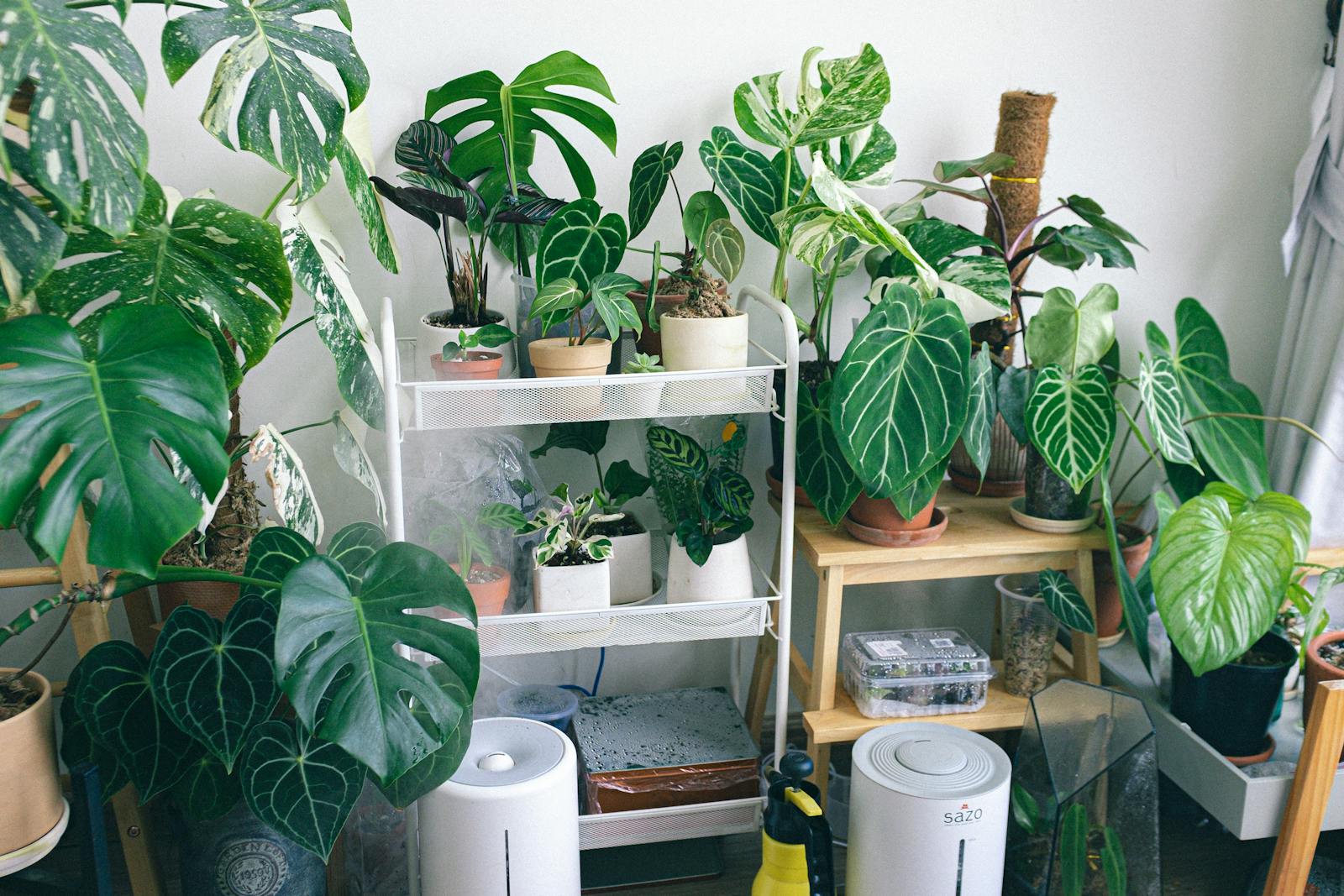
Air pollution is no longer only an outdoor problem. In modern homes, offices, and apartments, the air we breathe indoors can be filled with dust, allergens, smoke, harmful gases, and microscopic particles that are invisible to the eye. As awareness of indoor air quality grows, air purifiers have become an essential household device rather than a luxury.
This article explains what air purifiers are, how they work, their benefits, limitations, and how to choose the right one for your home. Whether you live in a polluted city or simply want healthier indoor air, understanding air purifiers can help you make better decisions for your family and well-being.
What Is an Air Purifier?
An air purifier is an electronic device designed to remove pollutants from indoor air. It works by pulling air through one or more filters, trapping harmful particles, and releasing cleaner air back into the room.
Air purifiers are commonly used in:
- Homes and apartments
- Offices and co-working spaces
- Schools and hospitals
- Bedrooms and living rooms
They are especially helpful in areas with high air pollution, seasonal allergies, or poor ventilation.
Why Indoor Air Quality Matters
Many people assume staying indoors protects them from pollution, but indoor air can often be more polluted than outdoor air.
Indoor air pollution comes from:
- Dust and dirt
- Cooking smoke
- Cigarette smoke
- Mold and moisture
- Cleaning chemicals
- Outdoor pollution entering indoors
Poor indoor air quality can affect health, sleep quality, concentration, and long-term well-being.
How Air Purifiers Work
Air purifiers use different technologies to clean the air. Most modern air purifiers combine several methods.
1. Mechanical Filtration (HEPA Filters)
HEPA (High Efficiency Particulate Air) filters are the most important component of quality air purifiers.
- PM2.5 and PM10 particles
- Dust and pollen
- Pet dander
- Smoke particles
- Airborne bacteria
True HEPA filters can remove 99.97% of particles as small as 0.3 microns.
2. Activated Carbon Filters
Activated carbon filters absorb:
- Odors
- Gases
- VOCs (volatile organic compounds)
- Smoke smells
- Cooking odors
These filters are especially useful in kitchens and homes with smokers.
3. Pre-Filters
Pre-filters capture larger particles like hair and dust, extending the life of the main filters.
4. UV and Ionizer Technologies
Some air purifiers include UV light or ionizers to kill bacteria or charge particles. These features are optional and not essential for most homes.
Benefits of Using an Air Purifier
Improves Respiratory Health
Air purifiers reduce airborne pollutants that irritate lungs, helping people with asthma, allergies, and breathing sensitivity.
Reduces Allergy Symptoms
By removing pollen, dust mites, and pet dander, air purifiers help reduce sneezing, runny nose, and itchy eyes.
Protects Against Air Pollution
In polluted cities, air purifiers significantly reduce indoor PM2.5 levels.
Improves Sleep Quality
Cleaner air can reduce nighttime coughing, congestion, and breathing discomfort.
Removes Odors and Smoke
Air purifiers help remove cooking smells, pet odors, tobacco smoke, and indoor dampness.
Who Should Use an Air Purifier?
- Families with children
- Elderly individuals
- People with asthma or allergies
- Pet owners
- Smokers and passive smokers
- People living in polluted cities
- Work-from-home professionals
Limitations of Air Purifiers
Air purifiers are helpful but not perfect. They cannot remove pollution sources, replace ventilation, or instantly clean large spaces.
They work best when combined with good ventilation and clean living habits.
How to Choose the Right Air Purifier
Check Room Size
Choose a purifier suitable for your room size for effective air cleaning.
Look for True HEPA Filter
Avoid “HEPA-type” filters and choose true HEPA for best performance.
Consider CADR Rating
Higher CADR (Clean Air Delivery Rate) means faster and more effective purification.
Filter Replacement Cost
Check filter replacement frequency and cost for long-term affordability.
Noise Level
Choose low-noise models for bedrooms and offices.
Air Purifiers and Energy Consumption
Modern air purifiers are energy efficient and usually consume less electricity than many household appliances.
Air Purifiers in Polluted Cities
In highly polluted cities, air purifiers provide a safer indoor breathing environment, especially during smog seasons.
Common Myths About Air Purifiers
Myth: Air purifiers remove all pollutants
Reality: They mainly remove particles, not all gases.
Myth: One purifier is enough for the whole house
Reality: Each room needs proper coverage.
Myth: Air purifiers replace cleaning
Reality: Cleaning and ventilation are still necessary.
Maintaining an Air Purifier
- Clean pre-filters regularly
- Replace filters on time
- Keep air intake and output clear
- Manage doors and windows properly
The Future of Air Purification
Future air purifiers may include smart sensors, app control, AI-based monitoring, and improved energy efficiency.
Final Thoughts
Air purifiers play an important role in improving indoor air quality and protecting health, especially in polluted environments.
They are not a replacement for pollution control, but they provide a practical solution for healthier living spaces.
Breathing clean indoor air should be a basic part of modern life.