
South Asia is home to nearly a quarter of the world’s population and includes some of the fastest-growing economies on the planet. The region covers countries with very different economic models—large industrial nations, developing economies, and small island states. Because of this diversity, the question “Which is the richest country in South Asia in 2026?” does not have a simple answer unless we first define what “rich” actually means.
In 2026, economists, international organizations, and financial institutions generally agree that the Maldives is the richest country in South Asia when measured by GDP per capita, which reflects the average income and purchasing power of citizens.
This article takes a deep and balanced look at:
- What “richest country” means
- Why the Maldives ranks at the top
- How other South Asian countries compare
- The strengths and weaknesses of each economy
- What the future may hold for the region
Understanding What “Richest Country” Means
Before naming any country as the richest, it’s essential to understand the different ways wealth is measured.
1. GDP Per Capita (Most Used Measure)
GDP per capita divides a country’s total economic output by its population. It helps answer:
- How much income does the average person have?
- What is the general standard of living?
This is the most common method used to rank countries by wealth.
2. Total GDP (Size of the Economy)
Total GDP measures the overall economic output of a country. This shows:
- Economic influence
- Industrial capacity
- Market size
However, total GDP does not show how wealthy individuals are, especially in highly populated countries.
3. Purchasing Power Parity (PPP)
PPP adjusts income based on local cost of living, offering a more realistic picture of living standards. Most global comparisons use GDP per capita (PPP) for fairness.
The Richest Country in South Asia in 2026: Maldives
Why Maldives Leads the Region
In 2026, the Maldives clearly ranks as the richest South Asian country by GDP per capita, far ahead of its regional neighbors.
Key reasons include:
- High income per person
- Strong foreign currency earnings
- A tourism-focused high-value economy
- Small population size
While the Maldives does not have a large economy in absolute terms, its average citizen enjoys significantly higher income levels compared to other South Asian countries.
Maldives Economy Explained
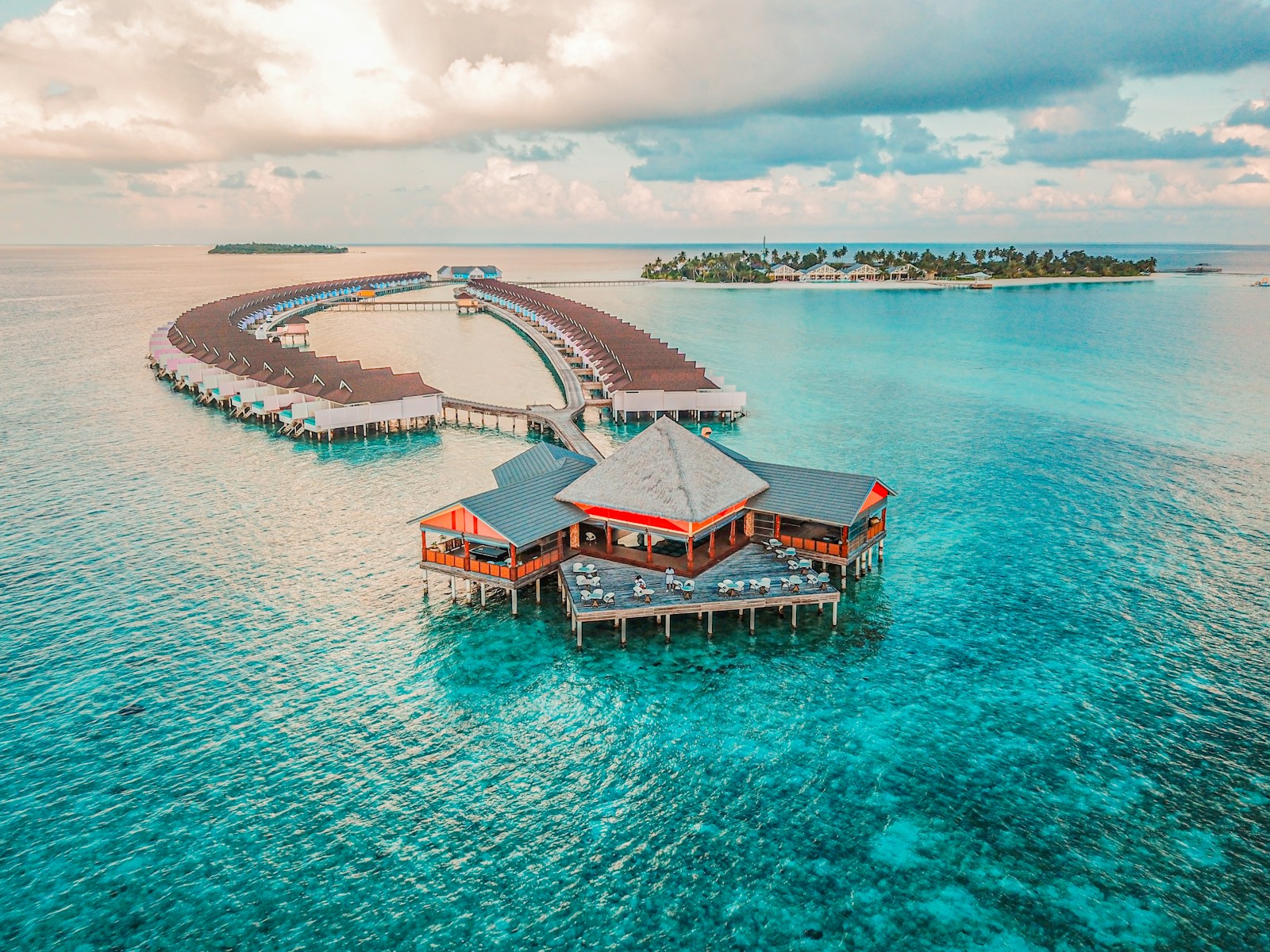
Tourism: The Core of Wealth
Tourism is the backbone of the Maldivian economy, contributing a major share of national income.
Key features:
- Luxury island resorts
- High-spending international tourists
- Strong brand as a premium travel destination
- Continuous demand from Europe, Asia, and the Middle East
Tourism generates:
- Employment
- Government revenue
- Foreign exchange reserves
Small Population Advantage
With a population of just over half a million people, the Maldives distributes national income across far fewer individuals. This boosts GDP per capita, even when total GDP remains modest.
Services and Fisheries
In addition to tourism, the Maldives benefits from:
- Hospitality services
- Transportation and aviation
- Fisheries and seafood exports
- Growing financial and digital services
How Other South Asian Countries Compare in 2026
India
- Largest economy in South Asia by total GDP
- Strong technology, manufacturing, and services sectors
- Rapid infrastructure and digital growth
- Lower GDP per capita due to a very large population
India is economically powerful but not the richest per person.
Bangladesh
- One of the fastest-growing economies in the region
- Strong garment export industry
- Expanding digital and freelancing sectors
- Improving income levels, but still lower than Maldives
Bangladesh shows strong upward momentum.
Sri Lanka
- Middle-income economy
- Strong human development indicators
- Faced economic instability in recent years
- Ahead of some neighbors in per-capita income
Bhutan
- Smaller economy
- Higher per-capita income relative to population size
- Focus on sustainability and Gross National Happiness
- Limited industrial base
Pakistan
- Large population
- Structural economic challenges
- Lower GDP per capita
- Agriculture and remittance-based income
Nepal
- Developing economy
- Remittance-dependent income
- Tourism and agriculture driven
- Lower per-capita income
Richest Country vs Best Quality of Life
Being the richest country does not automatically mean there is no poverty, inequality, or challenges. The Maldives faces:
- High cost of living
- Climate change threats
- Dependence on tourism
- Housing challenges
However, in purely economic terms, the average Maldivian earns more than the average citizen in other South Asian countries.
Why Maldives’ Wealth Model Is Unique
Unlike large South Asian economies that rely on manufacturing, agriculture, and large labor forces, the Maldives relies on:
- High-value services
- International tourism
- Premium pricing
- Global luxury markets
This model works well for small populations but may not be scalable for larger nations.
Future Outlook: Will Maldives Stay the Richest?
As of 2026, the Maldives remains the richest South Asian country by GDP per capita. Future rankings may change depending on:
- Climate resilience
- Tourism stability
- Economic diversification
- Growth in neighboring economies
India, Bangladesh, and Sri Lanka are improving rapidly, but closing the per-capita income gap usually takes decades.
Final Verdict
In 2026, the Maldives is the richest country in South Asia when measured by GDP per capita, meaning it has the highest average income per person in the region.
However:
- India dominates in total economic size
- Bangladesh leads in growth momentum
- Bhutan emphasizes sustainable well-being
Each country represents a different path to development. True economic strength lies not only in numbers, but also in resilience, sustainability, and quality of life.