

Bangladesh is a land of sensory overload in the best possible way. Often overlooked by mainstream tourism, it offers something increasingly rare in the modern world: authenticity. From the chaotic charm of Dhaka’s rickshaw-choked alleys to the silent majesty of the Sundarbans, this is a country that rewards the patient and the curious.
Chapter 1: Dhaka – The Pulsing Heart of Bengal
Dhaka is not just a city; it is a force of nature. With over 20 million people, it is one of the most densely populated places on Earth, yet it possesses a resilience and warmth that is infectious.
The Historical Splendor of Old Dhaka
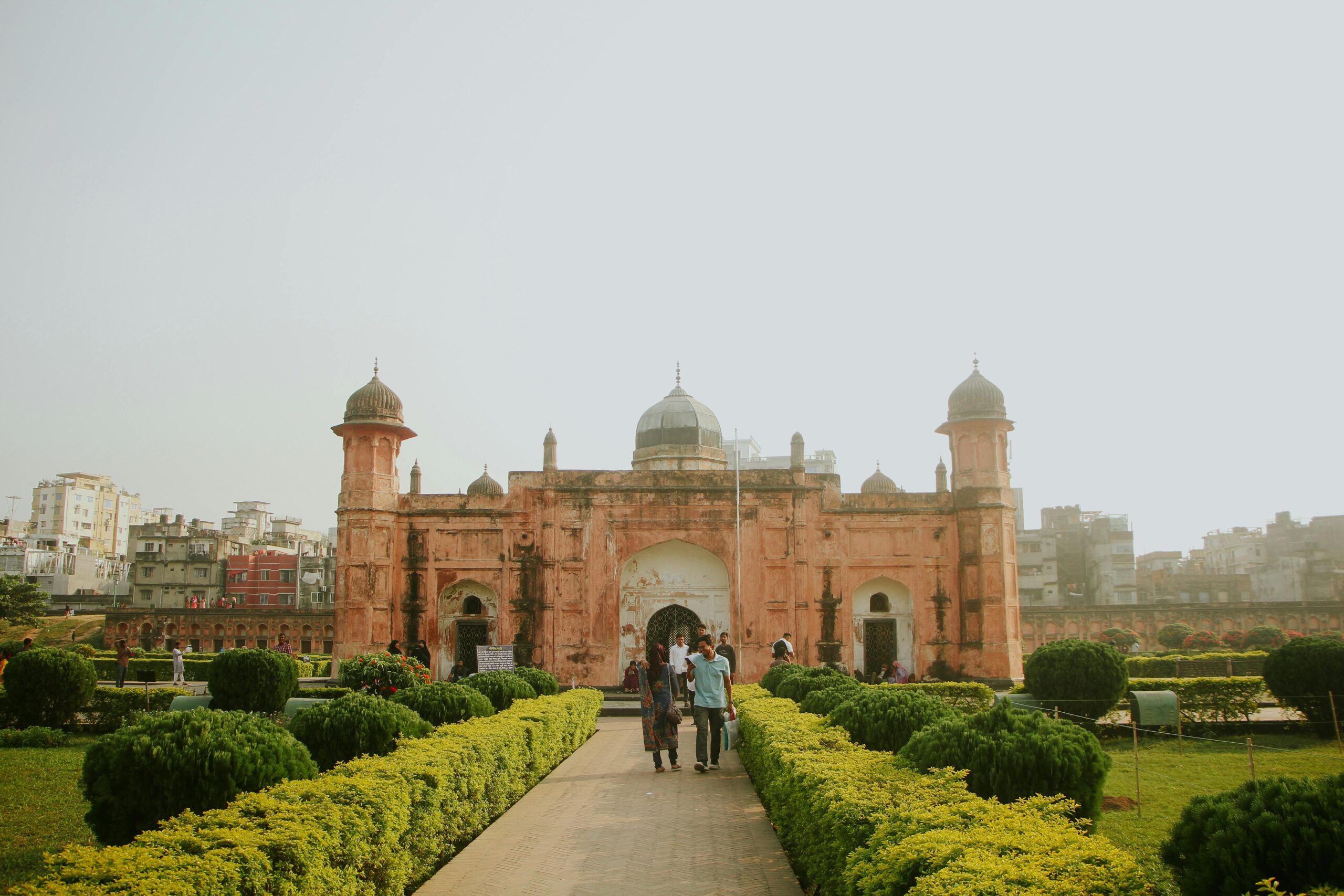
Old Dhaka is where the city’s soul resides. Narrow winding lanes, the smell of street food, and the constant chime of rickshaw bells create a labyrinth of history.
Ahsan Manzil (The Pink Palace): Once the official residential palace and seat of the Nawab of Dhaka, this stunning Indo-Saracenic building stands on the banks of the Buriganga River. Its vibrant pink hue and grand dome make it the city’s most photogenic landmark.
Lalbagh Fort: A 17th-century unfinished Mughal fort complex. It houses the tomb of Bibi Pari, a mosque, and the Diwan-i-Aam. The symmetry of the gardens offers a rare pocket of peace in the city.
Sadarghat River Port: One of the busiest river ports in the world. Watching the massive triple-decker launches navigate the crowded Buriganga alongside tiny wooden “dinghis” is a spectacle of human logistics.
Modern Architectural Marvels
Jatiya Sangsad Bhaban (National Parliament House): Designed by the legendary American architect Louis Kahn, this is widely considered one of the greatest architectural works of the 20th century. Its use of geometric shapes and reflection in the surrounding water is breathtaking.
Curzon Hall: A beautiful blend of European and Mughal styles, currently serving as the science faculty of Dhaka University.
Chapter 2: The Chittagong Division – Hills, Beaches, and Islands

Southeastern Bangladesh is the country’s playground, home to the longest beach in the world and the misty “Hill Tracts.”
Cox’s Bazar: The Endless Shore
Boasting a 120km unbroken sandy beach, Cox’s Bazar is the tourism capital of the country.
Inani Beach: Known for its coral stones and quieter atmosphere compared to the main Laboni Beach.
Himchari National Park: A short drive away, offering hilltop views of the Bay of Bengal and lush waterfalls.
Saint Martin’s Island: The Coral Paradise
Located at the southernmost tip of Bangladesh, this is the country’s only coral island. With crystal clear turquoise water and coconut groves, it feels worlds away from the mainland.
Chera Dwip: An extension of the island reachable by boat (or walking during low tide) that offers the best snorkeling and coral viewing.
The Hill Tracts: Bandarban, Rangamati, and Khagrachari
This region is geographically and culturally distinct, home to various indigenous groups like the Chakma and Marma.
Sajek Valley: Known as the “Queen of Hills,” Sajek is famous for its “cloud play,” where you can wake up above a sea of mist.
Kaptai Lake (Rangamati): An emerald-green artificial lake surrounded by hills. A boat trip here to the Shuvolong Waterfall is a must.
Nilgiri (Bandarban): One of the highest peaks in Bangladesh, managed by the Army, offering panoramic views that stretch into Myanmar.
Chapter 3: Sylhet – The Emerald Northeast
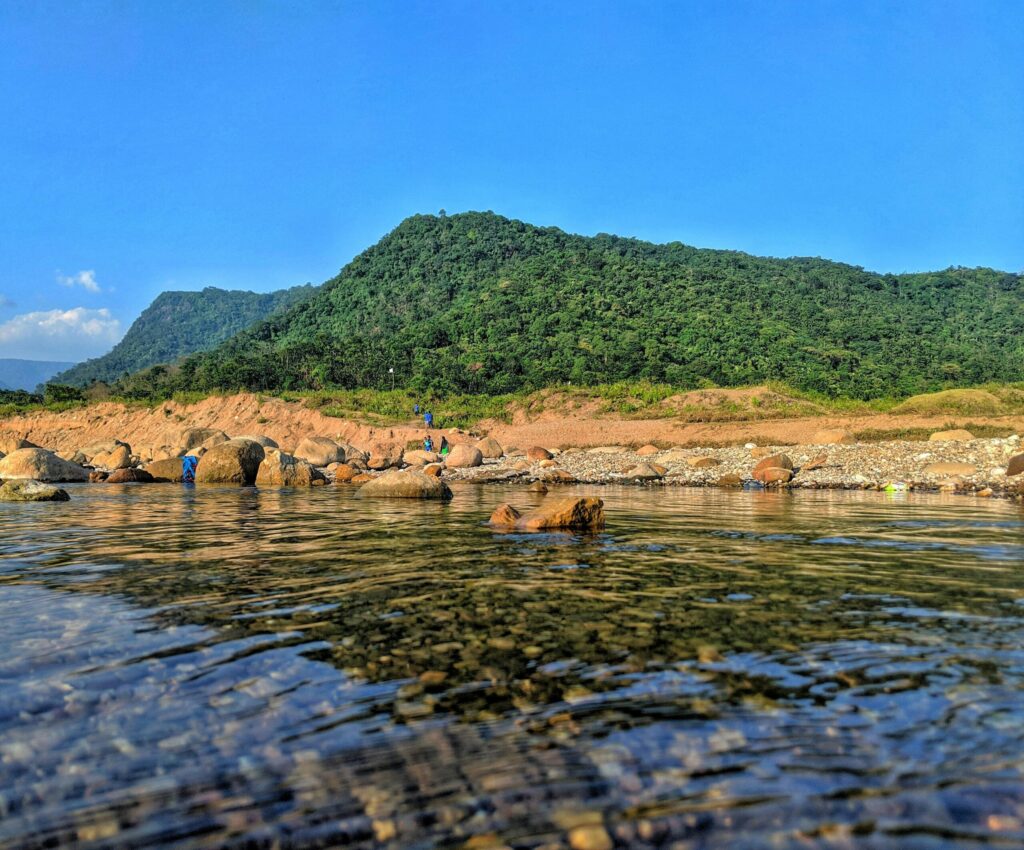
Sylhet is the land of tea, rain, and spirituality. It is the wettest region in the country, resulting in a landscape of vibrant, deep greens.
The Tea Capital: Srimangal
Tea Estate Walks: Srimangal is home to over 150 tea gardens. Walking through the rolling hills of the Finlay or Ispahani estates is tranquil.
Lawachara National Park: A tropical rainforest home to the endangered Western Hoolock Gibbon.
The Seven-Layer Tea: A local legend—a single glass of tea featuring seven distinct layers of flavor and color.
Water Wonders
Ratargul Swamp Forest: Known as the “Amazon of Bengal,” this is a freshwater swamp forest. During the monsoon, you can take a wooden boat through the submerged trees.
Jaflong: Located at the base of the Meghalaya hills (India), it’s famous for its stone collection activities in the clear Piani River.
Chapter 4: The Sundarbans – Into the Wild
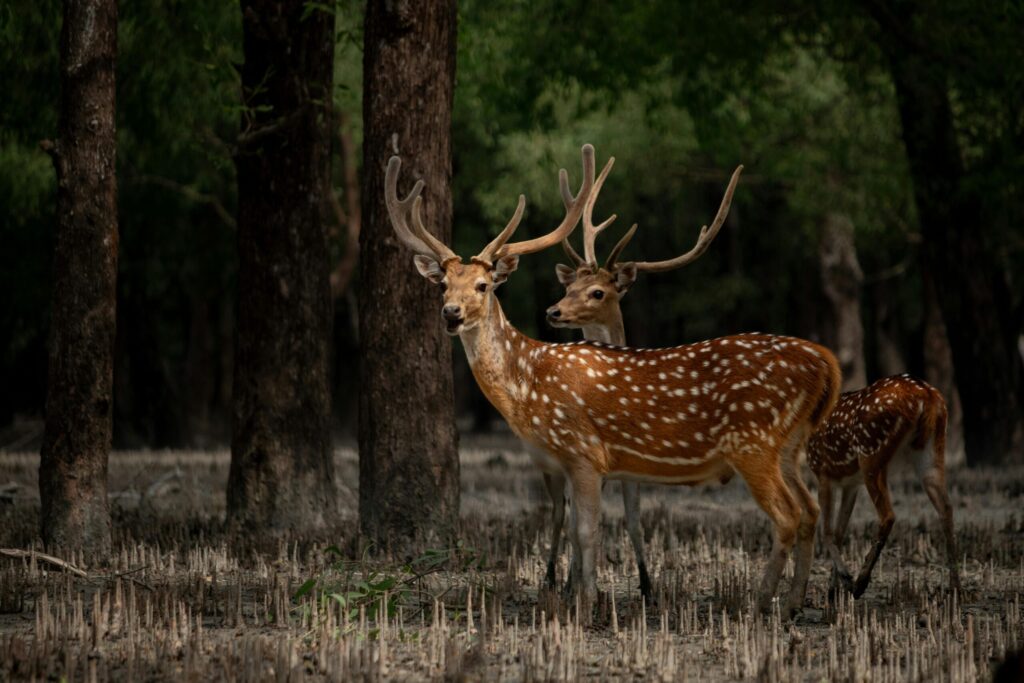
The Sundarbans is the world’s largest mangrove forest and a UNESCO World Heritage Site. It is the last great stronghold of the Royal Bengal Tiger.
Wildlife and Ecosystem
Navigating the Sundarbans requires a multi-day boat tour starting from Khulna or Mongla.
Karamjal & Harbaria: Eco-tourism centers where you can walk on wooden trails to spot spotted deer, crocodiles, and macaques.
Kotka & Kochikhali: Deeper into the forest, these areas offer the best chance to see tiger tracks and rare bird species.
Dublar Char: An island in the forest famous for its dried fish industry and the annual Rash Mela festival.
Chapter 5: The North – A Journey into Antiquity
The Barind tract of Northern Bangladesh is a treasure trove of archaeological sites, dating back to the Buddhist and Hindu kingdoms of the first millennium.
The Ruins of Paharpur
Somapura Mahavihara: A UNESCO World Heritage Site, this was one of the most important Buddhist monasteries in the world during the 8th century. Its central cruciform shrine influenced architectural styles as far away as Myanmar and Java.
The Silk City: Rajshahi
Varendra Research Museum: The oldest museum in Bangladesh, housing an incredible collection of black stone sculptures.
Puthia Temple Complex: A village filled with 16th-century terracotta temples, including the Shiva Temple and the Govinda Temple, which are masterpieces of Bengali craftsmanship.
Mahasthangarh (Bogra)
The oldest city in Bangladesh, dating back to at least the 3rd century BCE. It served as the provincial capital of the Maurya, Gupta, and Pala empires.
Chapter 6: Barisal – The Venice of the East
Barisal is a land of rivers, canals, and floating markets. It offers a glimpse into the traditional “riverine” lifestyle of Bengal.
Floating Guava Markets: During the monsoon (July-August), the canals of Bhimruli and Kuriana come alive with hundreds of boats laden with green guavas.
Backwater Tours: Taking a small boat through the narrow, tree-shaded canals is the most authentic way to experience rural life.
Chapter 7: Travel Logistics & Tips
The best time to visit is during the cool, dry season (November to February). Temperatures are pleasant, usually ranging from 15°C to 25°C. The monsoon (June to August) is beautiful for seeing the “greenery” and the swamp forests, but travel can be disrupted by rain.
Getting Around
The Rocket Steamer: A historic paddle-wheel steamer that runs between Dhaka and the south. It is one of the most iconic travel experiences in Asia.
Train: The inter-city trains (like the Parabat or Subarna Express) are reliable and offer a scenic view of the countryside.
Rickshaws: No trip to Bangladesh is complete without a colorful rickshaw ride. Dhaka alone has over 600,000 of them!
Cultural Etiquette
Modesty: Bangladesh is a conservative Muslim-majority country. It is respectful for both men and women to dress modestly (covering shoulders and knees).
Hospitality: Don’t be surprised if locals ask to take a “selfie” with you or invite you to tea. Bangladeshis are among the most hospitable people in the world.
Summary Table: Must-Visit Spots
| Region | Primary Attraction | Best For |
| Dhaka | Ahsan Manzil & Parliament | History & Architecture |
| Cox’s Bazar | 120km Beach | Sun & Relaxation |
| Sylhet | Srimangal Tea Gardens | Nature & Photography |
| Khulna | Sundarbans Mangroves | Wildlife & Adventure |
| Rajshahi | Paharpur Ruins | Archaeology |
| Barisal | Floating Markets | Rural Culture |
Final Thoughts: Why Bangladesh Matters
To travel through Bangladesh is to embrace a beautiful, chaotic, and deeply moving paradox. It is a country that doesn’t always make it easy for the traveler—the traffic can be grueling, the humidity intense, and the infrastructure still developing—but it is precisely this lack of “polish” that makes every discovery feel like a personal victory.
The Human Connection
The most enduring memory you will take home from Bangladesh isn’t a monument or a landscape; it’s the people. In a world where tourism is often a transactional relationship, Bangladesh remains refreshingly sincere. You are not just a visitor here; you are a guest of the nation. Whether it’s a tea stall owner in Sylhet refusing payment for your first cup of “Malai Cha” or a student in Dhaka helping you navigate the bus system just to practice their English, the hospitality is unparalleled.
A Sustainable Frontier
As global travel shifts toward “slow travel” and “off-the-beaten-path” destinations, Bangladesh stands as one of the last frontiers. By visiting, you are supporting local communities that haven’t been jaded by over-tourism. You are seeing the world as it is, not as it has been curated for a postcard.
The Call of the Delta
Bangladesh is a land shaped by water—it flows through its geography, its music, and its resilience. From the roar of the Royal Bengal Tiger to the silence of the tea valleys, it is a country that demands you to be present. It asks you to put down your phone, look out the window of a train or the bow of a wooden boat, and simply witness the rhythm of the delta.
If you are looking for a destination that will change how you see the world, look no further. Bangladesh isn’t just a place on a map; it’s an experience that stays in your soul long after you’ve left its shores.