
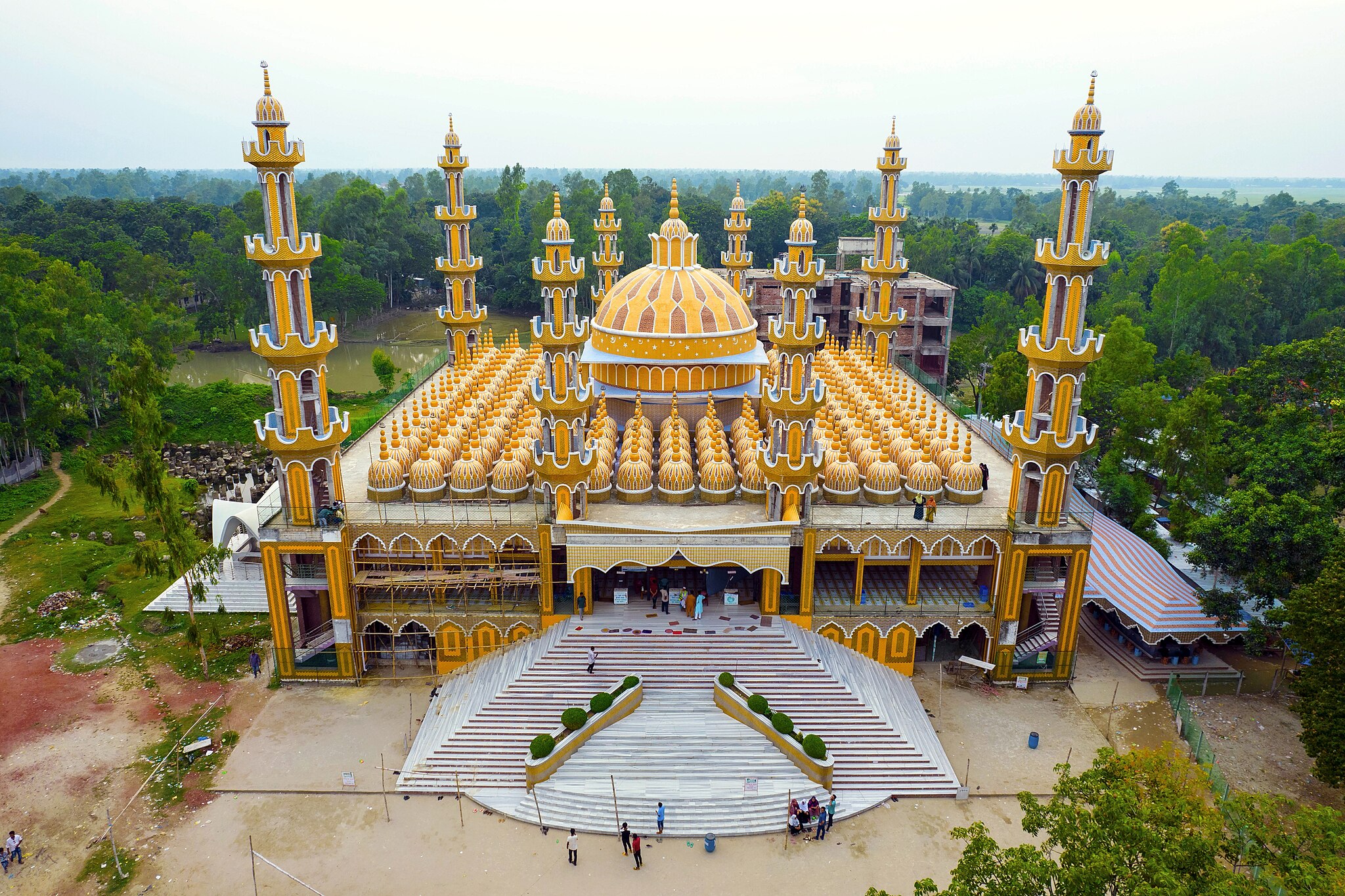
Gopalpur Upazila, located in the northern part of Tangail district, is not a destination that frequently appears in mainstream travel guides. Unlike popular tourist hubs, it does not offer luxury resorts or large-scale attractions. Instead, Gopalpur presents something far more enduring and meaningful: local heritage, educational history, religious architecture, and the living rhythm of rural Bangladesh.
For travelers interested in understanding a place beyond surface-level sightseeing, Gopalpur provides an authentic experience. Landmarks such as Gopalpur College, the historic Hemnagar Rajbari, and the remarkable 201-Domed Mosque (201 Gumbuz Masjid) reflect the educational, administrative, and spiritual development of the region over time.
This article offers an in-depth exploration of the things to visit in Gopalpur Upazila, focusing on places of genuine historical and cultural significance while also providing regional context through nearby attractions in Tangail and Dhaka.
Understanding Gopalpur Upazila: Location and Context
Gopalpur Upazila is part of Tangail district in central Bangladesh, a region known for agriculture, zamindari history, and cultural traditions. While Tangail district includes several nationally recognized landmarks, many of those are located in other upazilas. Gopalpur’s importance lies in its local influence, institutional history, and cultural continuity.
The upazila serves as a regional center for education, administration, and religious life for surrounding rural areas. Over time, it has developed institutions that reflect both colonial-era heritage and post-independence social progress.
Why Visit Gopalpur Upazila?
Gopalpur is ideal for visitors who value heritage over entertainment and cultural understanding over crowded sightseeing. A visit to Gopalpur allows travelers to explore history in a calm, grounded setting.
- Explore historically significant local institutions
- Understand rural education and social development
- Observe religious architecture and community life
- Experience a quieter, authentic side of Bangladesh
1. Gopalpur College: An Educational Landmark of the Region
Gopalpur College is one of the most important institutions in the upazila and stands as a symbol of educational advancement in rural Tangail. Established at a time when access to higher education outside major cities was limited, the college played a crucial role in shaping generations of students.
For decades, it has served as a gateway to higher education for rural families, many of whom viewed learning as the primary path toward social mobility and stability.
Why Gopalpur College Is Worth Visiting
- Represents the educational history of the region
- Reflects traditional rural college infrastructure
- Symbolizes long-term community investment in education
Cultural and Social Impact
Many local teachers, professionals, administrators, and community leaders began their journeys at Gopalpur College. As such, the institution represents literacy growth, civic awareness, and social transformation in rural Tangail.
2. Hemnagar Rajbari (Hemnagar Palace): Zamindari-Era Heritage
The Hemnagar Rajbari, also known as Hemnagar Palace, is one of the most historically significant heritage sites associated with the Gopalpur area. Built during the zamindari period, it reflects the social hierarchy and architectural style of Bengal’s landed aristocracy.
Historical Background
The palace stands as a reminder of the pre-independence land administration system and the rural power structures that existed under colonial rule.
Architectural Significance
- Traditional zamindar-era architectural design
- Large courtyards and symmetrical layouts
- Colonial-era influences in structure and planning
Why It Matters Today
Hemnagar Rajbari is a physical record of history. It tells stories of land ownership, agrarian systems, colonial governance, and the transition to modern administrative frameworks.
3. 201-Domed Mosque (201 Gumbuz Masjid)
The 201-Domed Mosque, locally known as 201 Gumbuz Masjid, is one of the most visually distinctive religious structures in the Gopalpur area. Its defining feature—the presence of 201 domes—sets it apart from typical rural mosques.
Religious Importance
The mosque serves as a major place of worship and a center for religious gatherings, playing a key role during daily prayers, Friday congregations, and religious festivals.
Cultural and Architectural Value
The mosque reflects Bengal’s mosque-building traditions while also highlighting the importance of religious institutions in rural community life.
4. Gopalpur Town Area and Local Bazaars
The town area and local bazaars of Gopalpur provide insight into everyday life. Markets function not only as commercial centers but also as social and cultural spaces.
What Visitors Can Experience
- Fresh fish from nearby rivers and ponds
- Locally grown vegetables and seasonal fruits
- Rice, spices, and household essentials
- Tea stalls filled with conversation
Why Markets Matter
Markets reveal food habits, economic activity, and social interaction, offering valuable context to the area’s historical landmarks.
5. Religious and Community Institutions
Beyond major landmarks, Gopalpur Upazila contains numerous local mosques, madrasas, and community centers that support religious education, charity, and social cohesion.
Observing these institutions helps visitors understand local values and community structures.
6. Educational and Social Infrastructure
In addition to Gopalpur College, the upazila includes schools, madrasas, and informal learning centers that reflect the community’s emphasis on education and social development.
7. Rural Landscape and Surrounding Countryside
The surrounding countryside—fields, ponds, village roads, and homesteads—plays an important role in shaping the visitor experience.
- Agricultural fields and seasonal farming
- Village roads and homesteads
- Ponds and canals
These landscapes provide peaceful environments and cultural immersion.
Nearby Attractions Worth Visiting
Visitors often combine a trip to Gopalpur with nearby attractions in Tangail and Dhaka.
Mohera Zamindar Bari (Tangail)
One of the most famous zamindar estates in Bangladesh, known for its elaborate colonial-era architecture.
National Martyrs’ Memorial (Savar)
A national monument commemorating the Liberation War of Bangladesh, located closer to Dhaka.
Best Time to Visit Gopalpur Upazila
- October to February: Best weather
- March to May: Hot but manageable
- June to September: Monsoon season
Travel Tips for Visitors
- Dress modestly, especially at religious sites
- Respect local customs and traditions
- Ask permission before photographing people
- Plan transportation in advance
Final Thoughts
Gopalpur Upazila does not compete with Bangladesh’s major tourist destinations. Its value lies in local significance, historical depth, and cultural continuity.
Landmarks such as Gopalpur College, Hemnagar Rajbari, and the 201-Domed Mosque represent education, governance, and spirituality—the pillars that have shaped the region for generations.
For travelers willing to slow down and engage thoughtfully, Gopalpur Upazila offers a genuine and rewarding experience.