
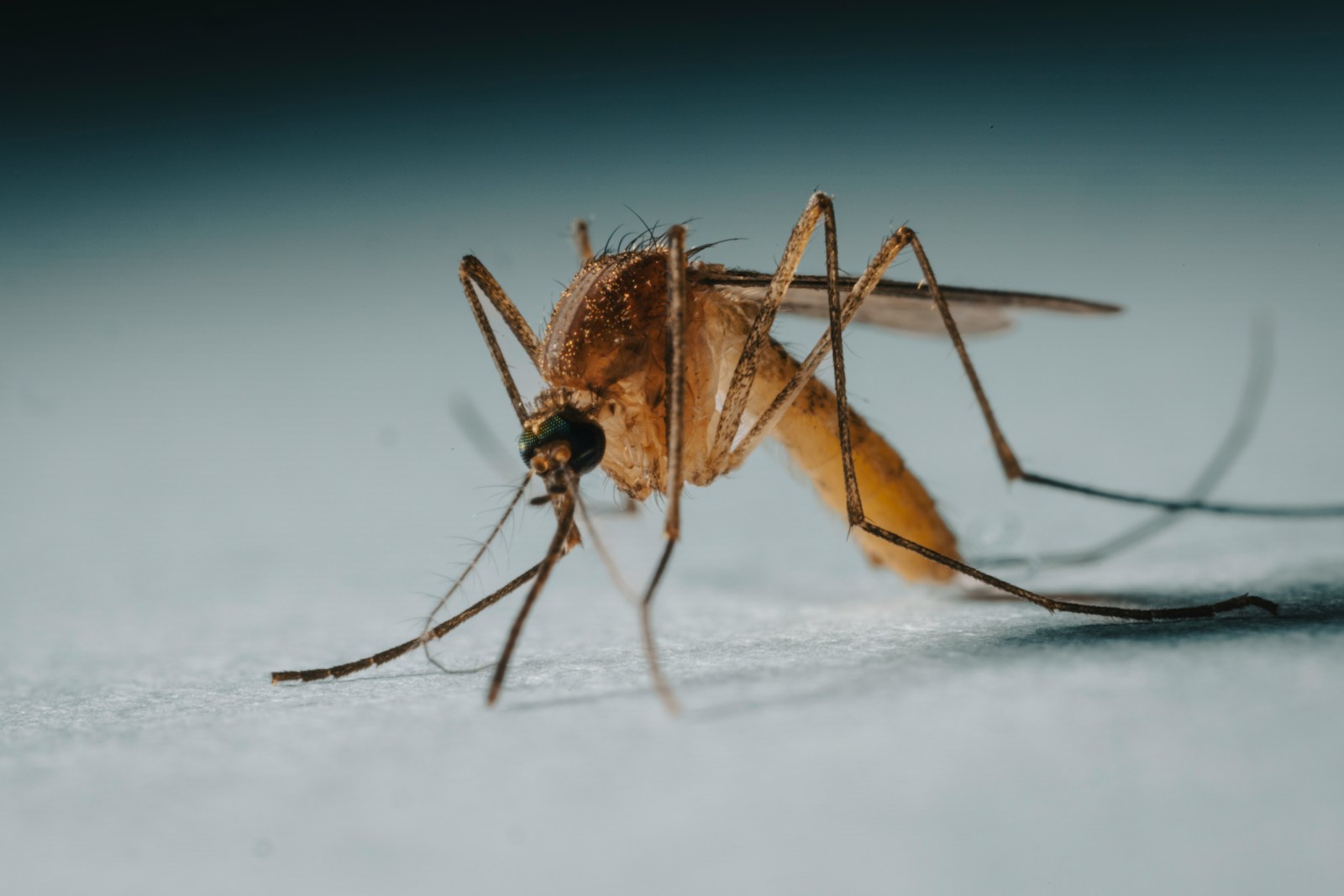
Mosquitoes are more than just an annoyance. In many parts of the world—especially in South Asia—they are responsible for spreading serious diseases such as dengue, malaria, chikungunya, and Zika virus. To protect themselves, millions of households use mosquito liquid repellents every day.
But a common and important question remains:
Are mosquito liquid repellents good for health, or do they pose hidden risks?
This article takes a balanced and detailed look at how mosquito liquid repellents work, their health effects, potential risks, and how to use them safely, so you can make informed decisions for yourself and your family.
What Are Mosquito Liquid Repellents?
Mosquito liquid repellents are plug-in devices that release chemical vapors into the air to repel or kill mosquitoes. They are commonly used in bedrooms, living rooms, and offices.
A typical liquid repellent system includes:
- An electric heating device
- A refill bottle containing insecticide liquid
When plugged in, the device heats the liquid, allowing it to evaporate slowly and spread through the room.
Common Chemicals Used in Liquid Repellents
Most mosquito liquid repellents contain synthetic insecticides. The most common ones include:
1. Pyrethroids (e.g., Prallethrin, Transfluthrin)
- Synthetic versions of natural compounds found in chrysanthemum flowers
- Effective against mosquitoes
- Low toxicity to humans at controlled levels
2. Allethrin
- One of the earliest mosquito repellent chemicals
- Acts on the mosquito’s nervous system
- Widely used in coils and liquid vaporizers
These chemicals are approved for household use in many countries when used as directed.
How Mosquito Liquid Repellents Work
Liquid repellents work by:
- Disrupting the mosquito’s nervous system
- Repelling mosquitoes before they bite
- Reducing mosquito presence indoors
They do not usually kill mosquitoes instantly but help keep them away, lowering the risk of bites and disease transmission.
Health Benefits of Mosquito Liquid Repellents
1. Protection From Mosquito-Borne Diseases
The biggest benefit is disease prevention. In mosquito-prone regions, liquid repellents help reduce the risk of:
- Dengue fever
- Malaria
- Chikungunya
- Japanese encephalitis
Preventing mosquito bites can be life-saving, especially for children and elderly people.
2. Better Sleep Quality
Mosquito bites cause itching, discomfort, and sleep disturbance. Using repellents helps people sleep peacefully without constant mosquito buzzing or biting.
3. Convenient and Easy to Use
Compared to coils or sprays, liquid repellents are smoke-free, require minimal effort, and work continuously for several hours.
Are Mosquito Liquid Repellents Harmful to Health?
When used properly, mosquito liquid repellents are generally considered safe for most people. However, misuse or overexposure can cause health concerns.
Possible Health Risks of Mosquito Liquid Repellents
1. Respiratory Irritation
In poorly ventilated rooms, vapors may cause throat irritation, coughing, or breathing discomfort. People with asthma or allergies may be more sensitive.
2. Headache and Dizziness
Some users report mild headaches, dizziness, or nausea. This may happen due to prolonged exposure or high concentration in closed spaces.
3. Effects on Children and Infants
Children and babies are more sensitive to chemicals. Continuous exposure in small, closed rooms may increase risk, so extra caution is needed.
4. Long-Term Exposure Concerns
While occasional use is considered safe, long-term daily exposure over many years has raised concerns. Evidence at normal household levels is still limited, but overuse should be avoided.
Are Mosquito Liquid Repellents Safe During Sleep?
Yes, if used correctly.
Safety tips for night use:
- Keep windows slightly open
- Use only one device per room
- Avoid placing the device near your bed
- Turn it off when not needed
Good ventilation greatly reduces potential side effects.
Who Should Be Extra Careful?
Extra caution is advised for:
- Infants and toddlers
- Pregnant women
- People with asthma or lung conditions
- Elderly individuals
- Pets (especially birds)
In such cases, consider alternative mosquito control methods.
Safe Usage Tips for Mosquito Liquid Repellents
To minimize health risks:
- Use in well-ventilated rooms
- Follow manufacturer instructions strictly
- Do not use multiple repellents together
- Avoid direct inhalation
- Keep refills away from children
- Turn off during daytime if mosquitoes are absent
Using repellents responsibly makes a big difference in safety.
Natural and Safer Alternatives
If you are concerned about chemical exposure, consider:
- Mosquito nets
- Electric mosquito rackets
- Window screens
- Essential oil-based repellents (citronella, eucalyptus)
- Indoor fans (mosquitoes dislike strong airflow)
These methods can be combined with liquid repellents for balanced protection.
Mosquito Control vs Health Risk: Finding the Balance
In mosquito-prone regions, the health risk from mosquito-borne diseases is often greater than the risk from properly used repellents.
The key is moderation, ventilation, and awareness. Avoiding mosquitoes completely may not be possible, but reducing exposure responsibly is achievable.
What Health Experts Say
Most public health authorities agree that approved mosquito repellents are safe when used as directed. Overuse and misuse increase risk, but prevention of mosquito-borne disease remains critical in high-risk regions.
Final Thoughts
Mosquito liquid repellents are effective and generally safe when used responsibly. They help protect people from mosquito-borne diseases, especially in tropical and subtropical regions.
However, like all chemical products, they should not be used carelessly. Proper ventilation, limited exposure, and following instructions are essential for safety.
If you have health concerns, combining repellents with non-chemical methods can provide safer and effective protection.
The goal is not to avoid repellents entirely—but to use them wisely.