
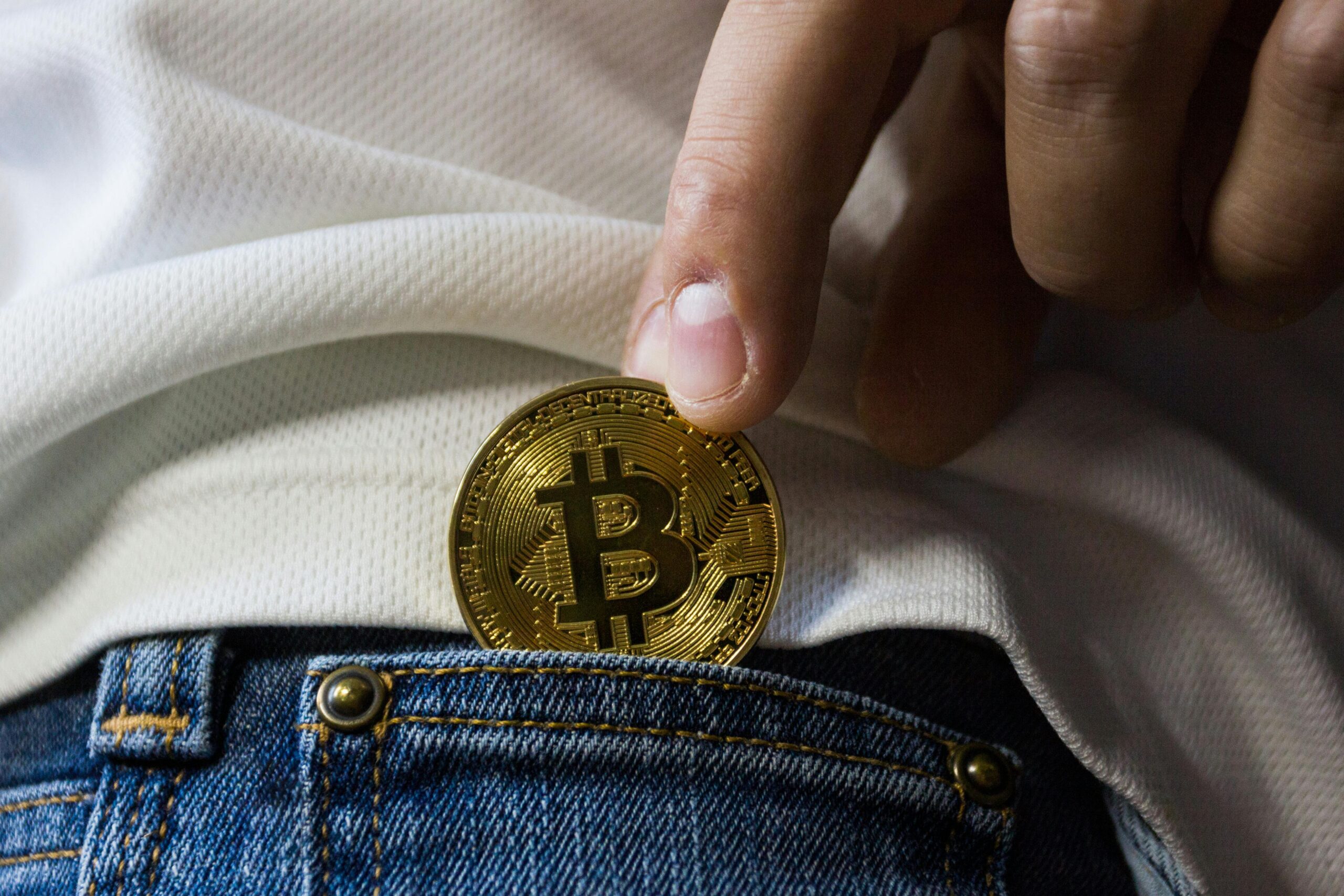
Cryptocurrency, commonly known as crypto, has become one of the most talked-about financial innovations of the digital age. From Bitcoin to Ethereum, crypto has changed how people think about money, payments, and investments. While crypto adoption is growing worldwide, many people in South Asian countries still have questions about what crypto really is, how it works, and whether it is legal to use.
This article explains what cryptocurrency is, how it works, and the legal status of crypto in South Asia, in a simple and easy-to-understand way.
What Is Cryptocurrency?
Cryptocurrency is a digital or virtual form of money that uses cryptography to secure transactions. Unlike traditional currencies issued by governments (such as the Indian Rupee or Bangladeshi Taka), cryptocurrencies are decentralized, meaning they are not controlled by a central bank or authority.
The most well-known cryptocurrency is Bitcoin, but there are thousands of others, including Ethereum, Binance Coin, Solana, and Ripple.
Key characteristics of cryptocurrency include:
- Digital only (no physical form)
- Decentralized control
- Secured using cryptography
- Operates on blockchain technology
- Enables peer-to-peer transactions
How Does Cryptocurrency Work?
Cryptocurrency operates using a technology called blockchain.
Blockchain Explained Simply
A blockchain is a public digital ledger that records all crypto transactions. Instead of being stored on a single server, this ledger is distributed across thousands of computers (called nodes) worldwide.
Each transaction is grouped into a block, and once verified, the block is added permanently to the chain.
This system ensures:
- Transparency
- Security
- Resistance to fraud or tampering
How Crypto Transactions Work
- A user sends cryptocurrency from one digital wallet to another
- The transaction is broadcast to the blockchain network
- Network participants verify the transaction
- Once verified, it is added to the blockchain
- The transaction becomes permanent and visible publicly
This process removes the need for intermediaries such as banks.
What Is Crypto Mining?
Crypto mining is the process of validating transactions and adding them to the blockchain. Miners use powerful computers to solve complex mathematical problems. In return, they receive newly created cryptocurrency as a reward.
Not all cryptocurrencies require mining. Some use alternative systems such as proof of stake, which relies on validators rather than miners.
Uses of Cryptocurrency
Cryptocurrency can be used for:
- Online payments and transfers
- Investment and trading
- Remittances across borders
- Decentralized finance (DeFi)
- Digital assets and NFTs
Many people are attracted to crypto because of its speed, lower transaction costs, and independence from traditional financial systems.
Is Cryptocurrency Legal in South Asian Countries?
The legal status of cryptocurrency in South Asia varies by country and is still evolving. In most cases, crypto exists in a regulated or partially restricted environment, rather than being completely legal or illegal.
Below is an overview of crypto legality in major South Asian countries.
India
Cryptocurrency is not illegal in India. People are allowed to buy, sell, and hold crypto assets. However, crypto is not recognized as legal tender, meaning it cannot replace the Indian Rupee.
The government has introduced:
- Taxation on crypto profits
- Transaction reporting requirements
- Ongoing regulatory discussions
Crypto trading is legal, but heavily monitored.
Bangladesh
Cryptocurrency is not permitted by the central bank of Bangladesh. Financial authorities have issued warnings stating that crypto transactions may violate existing financial laws.
Banks and financial institutions are not allowed to support crypto activities. However, interest in crypto still exists through informal channels.
Pakistan
Cryptocurrency exists in a restricted and unclear legal environment. While crypto ownership is not clearly legalized, financial regulators have warned against its use.
Crypto trading platforms are not officially licensed, and banks generally do not support crypto transactions.
Sri Lanka
Cryptocurrency is not officially recognized or regulated. The central bank has warned citizens about risks, and crypto is not accepted as legal tender.
People may access crypto platforms, but without formal legal protection.
Nepal
Cryptocurrency is illegal in Nepal. Authorities have explicitly banned crypto trading, mining, and transactions, with legal penalties for violations.
Afghanistan
Cryptocurrency use is largely restricted. Financial instability and regulatory bans have limited crypto activities.
Bhutan
Bhutan has shown controlled interest in blockchain and digital assets. While public crypto trading is limited, the government has explored blockchain technology cautiously.
Maldives
Cryptocurrency is not widely regulated, but the country has shown interest in blockchain innovation. Crypto is not legal tender.
Is Crypto Safe and Legal to Use in South Asia?
Crypto safety and legality depend on:
- Local regulations
- Platform reliability
- User awareness
In many South Asian countries:
- Crypto is not illegal, but not fully regulated
- Investors face legal and financial risks
- Consumer protection is limited
Users should always check local laws before investing.
Risks of Cryptocurrency
While crypto offers opportunities, it also carries risks:
- High price volatility
- Scams and fraud
- Lack of regulation
- Cybersecurity threats
- Legal uncertainty
Crypto investments should be approached with caution and proper research.
Future of Cryptocurrency in South Asia
South Asia has a young, tech-savvy population and strong interest in digital finance. Governments are exploring:
- Central bank digital currencies (CBDCs)
- Blockchain use in governance
- Crypto regulations rather than bans
The future of crypto in South Asia will likely involve stricter regulation rather than complete prohibition.
Final Thoughts
Cryptocurrency is a revolutionary digital asset that changes how money and transactions work. While crypto adoption is growing globally, its legal status in South Asian countries varies widely.
Before investing or using cryptocurrency, it is essential to understand how crypto works, local regulations, and associated risks. Responsible use, awareness, and regulation will play a key role in shaping the future of crypto in South Asia.