
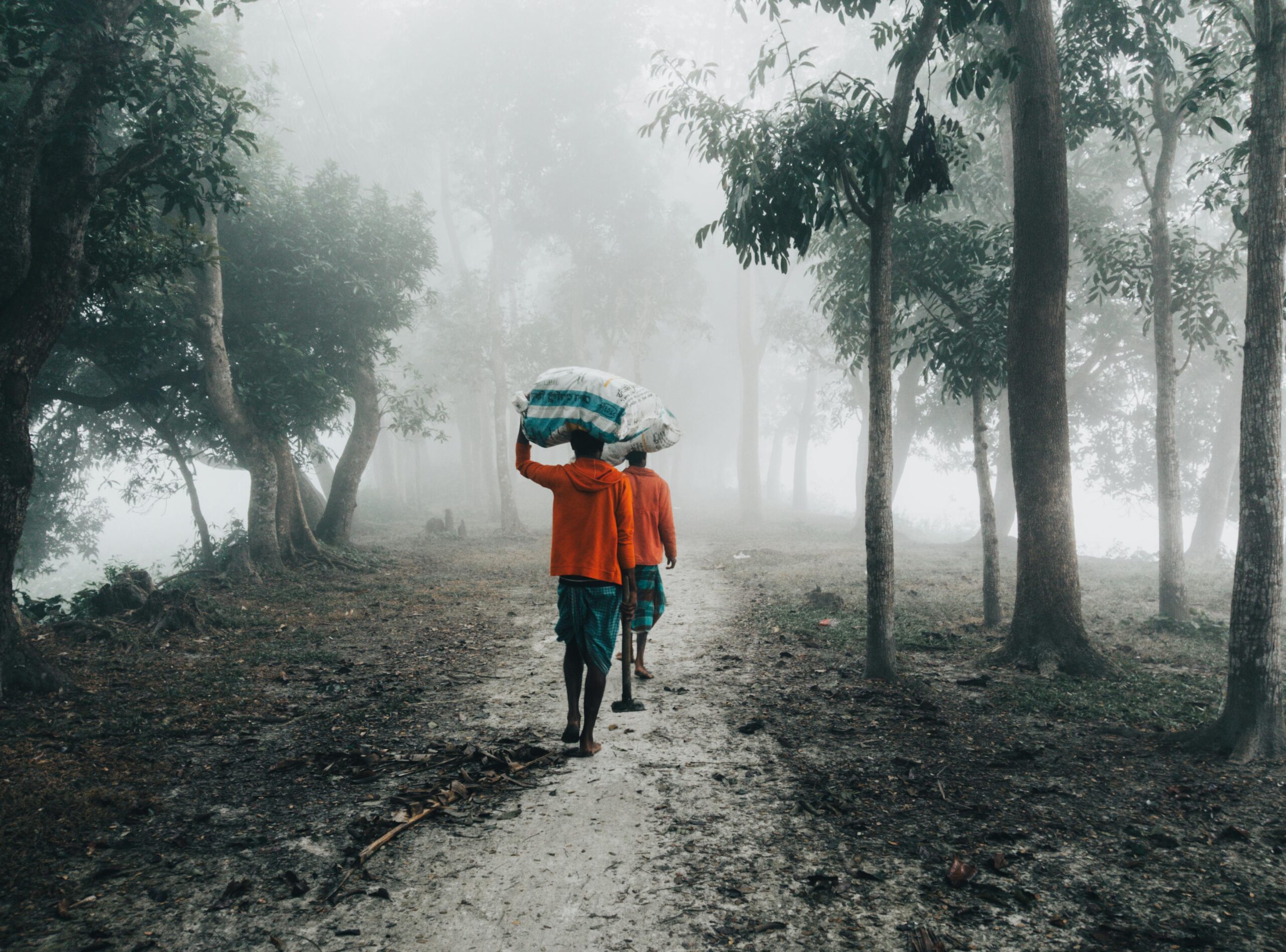
Fog, mist, haze, and smog are atmospheric conditions that reduce visibility and affect air quality. Although these terms are often used interchangeably, they are scientifically different in terms of formation, composition, and impact on human health. In South Asian countries, these conditions are especially common due to climate patterns, high pollution levels, and rapid urbanization.
Understanding these differences helps explain seasonal visibility problems, rising health issues, and worsening air quality across the region.
What Is Fog?
Fog is a natural weather phenomenon that occurs when tiny water droplets are suspended in the air near the ground, reducing visibility to less than 1 kilometer.
How Fog Forms
Fog forms when:
- Air temperature drops
- Moist air condenses into tiny water droplets
- Calm wind conditions trap moisture near the ground
Fog usually appears during early morning or late night, especially in winter.
Where Fog Is Seen in South Asia
Fog is common in:
- Northern India
- Bangladesh
- Nepal
- Pakistan
- particularly in river plains during winter months.
Health Effects of Fog
Fog itself is not toxic, but it can:
- Cause breathing discomfort in people with asthma
- Increase the risk of road and transport accidents
- Become harmful when mixed with air pollution, forming smog
What Is Mist?
Mist is similar to fog but less dense and allows better visibility.
How Mist Forms
Mist forms when:
- Moisture condenses in humid air
- Visibility remains greater than 1 kilometer
- The air is humid but not fully saturated
Where Mist Is Seen in South Asia
Mist is common in:
- Coastal regions
- Riverbanks
- Hill areas
especially during monsoon and early morning hours.
Health Effects of Mist
Mist has minimal health impact, though people with respiratory sensitivity may experience mild discomfort.
What Is Haze?
Haze is caused by tiny particles of dust, smoke, and pollutants suspended in the air. Unlike fog and mist, haze is not caused by moisture.
How Haze Forms
Haze forms due to:
- Vehicle emissions
- Industrial pollution
- Construction dust
- Agricultural burning
Where Haze Is Seen in South Asia
Haze is very common in:
- Urban areas
- Industrial zones
- Major cities like Delhi, Dhaka, Lahore, and Karachi
Health Effects of Haze
Haze can cause:
- Eye and throat irritation
- Headaches
- Worsening asthma and allergies
- Reduced lung function with long-term exposure
What Is Smog?
Smog is the most dangerous form of air pollution, formed from a combination of smoke and fog or chemical reactions involving pollutants.
How Smog Forms
Smog forms when:
- Pollutants like PM2.5, nitrogen oxides, and sulfur dioxide build up
- Weather conditions trap pollution near the ground
- Sunlight triggers chemical reactions (photochemical smog)
Where Smog Is Seen in South Asia
Smog is extremely common in:
- India (especially Delhi and NCR)
- Pakistan (Lahore)
- Bangladesh (Dhaka)
Smog is most severe during winter, when temperature inversion prevents pollutants from dispersing.
Health Effects of Smog
Smog poses serious health risks, including:
- Severe breathing problems
- Chest pain and coughing
- Heart disease and stroke
- Reduced lung development in children
- Increased risk of premature death
Which Is Most Common in South Asian Countries?
In South Asia:
- Smog is the most harmful and widespread in major cities
- Haze is common throughout the year in urban and industrial areas
- Fog occurs mainly in winter in northern regions
- Mist appears seasonally and is least harmful
Smog and haze are the biggest public health concerns due to high pollution levels.
Health Effects Comparison
Short-Term Health Effects
- Eye, nose, and throat irritation
- Coughing and shortness of breath
- Headaches and fatigue
- Increased respiratory infections
Long-Term Health Effects
- Asthma and chronic bronchitis
- Heart disease
- Lung damage
- Weakened immunity
- Higher mortality risk
Smog and haze cause the most severe long-term health damage due to fine particulate matter.
How to Protect Yourself
- Monitor daily air quality index (AQI)
- Avoid outdoor activities during heavy smog or haze
- Use masks during high pollution days
- Improve indoor air ventilation
- Support cleaner energy and pollution control measures
Final Thoughts
Fog, mist, haze, and smog may look similar, but they differ greatly in cause and health impact. In South Asia, smog and haze are the most commonly observed and most dangerous, driven mainly by human activity and environmental conditions.
Understanding these atmospheric conditions is essential for protecting health, improving air quality awareness, and supporting long-term environmental solutions.