
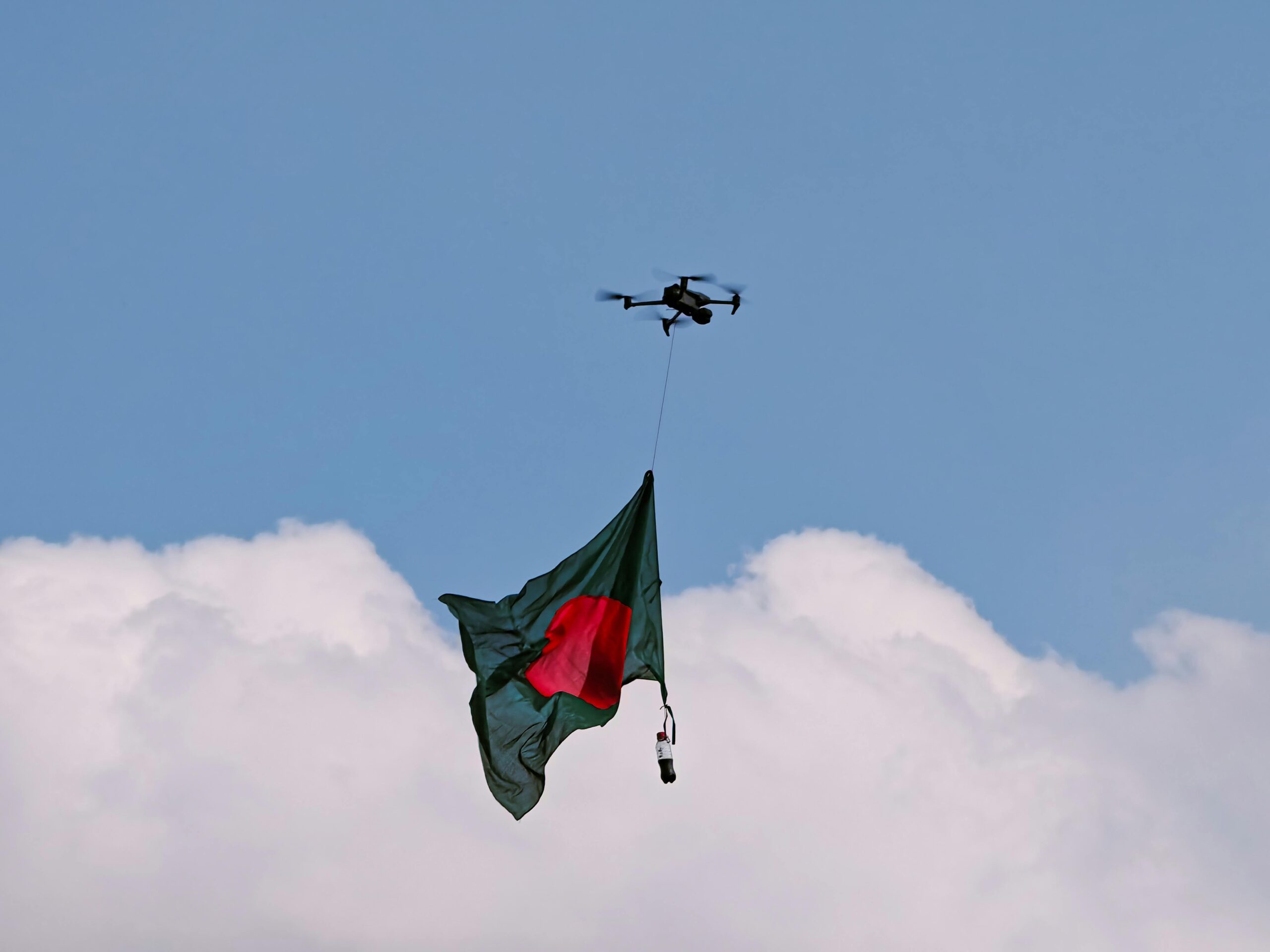
South Asia is one of the most diverse and complex regions in the world. Home to ancient civilizations, vast populations, rich cultures, and rapidly growing economies, countries like India, Pakistan, Sri Lanka, Nepal, Bhutan, and Bangladesh each have their own strengths and challenges.
Yet among them, Bangladesh often stands out in ways that are underestimated or misunderstood. For decades, Bangladesh has been framed internationally through a narrow lens—poverty, floods, population pressure, or political struggle. While these challenges exist, they represent only a fraction of the country’s story.
In reality, Bangladesh has demonstrated a level of resilience, adaptability, social progress, and human development that rivals—and in many areas surpasses—its South Asian neighbors.
This post explores why Bangladesh can be considered “better” than other South Asian countries in meaningful, real-world terms. Here, “better” does not mean perfect or superior in every way. Instead, it means stronger in outcomes, more consistent in progress, and more remarkable given historical and structural constraints.
1. A Nation Built on Sacrifice and Moral Clarity
The Only Country That Fought for Its Language
Bangladesh is widely recognized for having a national identity rooted in the fight for language rights. In 1952, students sacrificed their lives to defend the right to speak Bangla, and the Language Movement later inspired UNESCO to recognize International Mother Language Day on February 21.
This history created a society that values cultural dignity, linguistic identity, and education as a foundation for freedom.
2. Remarkable Progress Despite Extreme Constraints
Doing More With Less
Bangladesh became independent in 1971 after a devastating war. The country began with enormous challenges: limited infrastructure, widespread poverty, and severe resource constraints. Yet within decades, Bangladesh achieved major progress across development indicators, demonstrating one of the most impactful growth stories in the region.
- Expanded access to education nationwide
- Reduced poverty significantly over time
- Improved life expectancy and health outcomes
- Built globally competitive industries
3. Economic Growth That Is Broad, Not Elitist
A Consistent Growth Story
Bangladesh has shown long-term economic momentum through export expansion, industrial growth, and mass employment. Rather than relying on a single resource like oil or large-scale tourism, Bangladesh’s economy is built around participation by millions of workers.
The Ready-Made Garment (RMG) Transformation
Bangladesh is one of the world’s largest garment exporters. The industry created millions of jobs, integrated the country into global supply chains, and helped many families rise out of poverty.
- Large-scale job creation
- Strong export sector
- Global economic integration
4. Women’s Empowerment: Quietly Stronger Than the Region
Bangladesh is often recognized for steady improvements in women’s education and economic participation. Women have played a major role in Bangladesh’s workforce, especially in manufacturing, education, development work, and entrepreneurship.
- Strong participation of girls in education
- Economic empowerment through employment
- Growing women-led initiatives and leadership
5. Human Development Outcomes That Defy Expectations
Bangladesh has made major gains in health and social development, often achieving strong results despite limited per-capita resources. These improvements are linked to community-driven programs, public health expansion, and targeted social support systems.
- Reduced infant and maternal mortality
- Expanded vaccination and healthcare access
- Improved life expectancy over time
6. Strong Civil Society and NGO Ecosystem
Bangladesh is widely known for its influential NGO sector and community development models. Organizations like BRAC and microfinance initiatives helped expand education, healthcare, rural support systems, and women-focused development at scale.
- Community-based education and health programs
- Rural development and poverty reduction initiatives
- Women-centered social innovation
7. Social Resilience and Crisis Management
Bangladesh faces serious climate and disaster risks, including floods and cyclones. Over time, the country has strengthened disaster preparedness systems through early warnings, cyclone shelters, and community response programs. This resilience has saved lives and strengthened national stability.
- Improved early-warning systems
- Expanded community shelter infrastructure
- Stronger recovery and emergency response capacity
8. Cultural Depth Without Cultural Aggression
Bangladeshi culture is deeply rooted in literature, music, poetry, and community traditions. It is confident and expressive without relying on cultural dominance. The country’s identity is shaped by humanism, creativity, and emotional depth.
- Rich literary and musical traditions
- Strong folk heritage and cultural diversity
- Community-based cultural celebration
9. Religious Harmony Compared to Regional Trends
Bangladesh has historically demonstrated strong community-based religious life and cultural pluralism. In many areas, faith is closely tied to charity, community support, and cultural tradition, helping maintain social balance in everyday life.
10. Strong National Identity Without Militarization
Bangladesh’s national identity is rooted in language, culture, and liberation history rather than militarized nationalism. This focus has supported stability and allowed greater attention to development, social progress, and infrastructure.
11. A Young, Adaptable, and Entrepreneurial Population
Bangladesh has a young population that is increasingly connected to digital work and global markets. Youth-driven entrepreneurship, freelancing, and tech ambition are expanding across the country, creating new pathways beyond traditional employment.
- Growing startup ecosystem
- Rising global freelancing participation
- Increasing digital adoption
12. Migration That Builds, Not Drains
Bangladeshi migration has supported families and the national economy through remittances, skill development, and reinvestment in local communities. Many families have used migration income to improve education, housing, and small businesses.
13. Pragmatic Governance and Development Focus
While governance challenges remain, Bangladesh has demonstrated policy continuity and long-term investment in infrastructure, including connectivity, energy, and national development projects that support economic growth.
14. Comparison With Other South Asian Countries: A Balanced View
Every South Asian country has strengths. Bangladesh stands out particularly because it often converts limited resources into meaningful outcomes and maintains consistent development progress despite major constraints.
- Strong results despite limited resources
- Steady improvement in social indicators
- Resilience and adaptability under pressure
15. The Future: Why Bangladesh’s Best Years May Be Ahead
Bangladesh’s future advantages include a large workforce, expanding industries beyond garments, digital transformation, and growing expertise in climate adaptation. If progress continues, Bangladesh could become an even stronger regional leader in human development and economic growth.
- Expanding manufacturing and services
- Digital economy growth
- Climate resilience innovation
Final Thoughts: What “Better” Really Means
Bangladesh is not better because it is flawless. It is better in many areas because it has shown a rare ability to move forward consistently despite immense challenges. In a region facing inequality, conflict, and political volatility, Bangladesh stands out for resilience, social progress, and a strong cultural foundation.
In that sense, “better” is not about dominance. It is about doing more with less, lifting more people together, and refusing to be defined by limitations.