
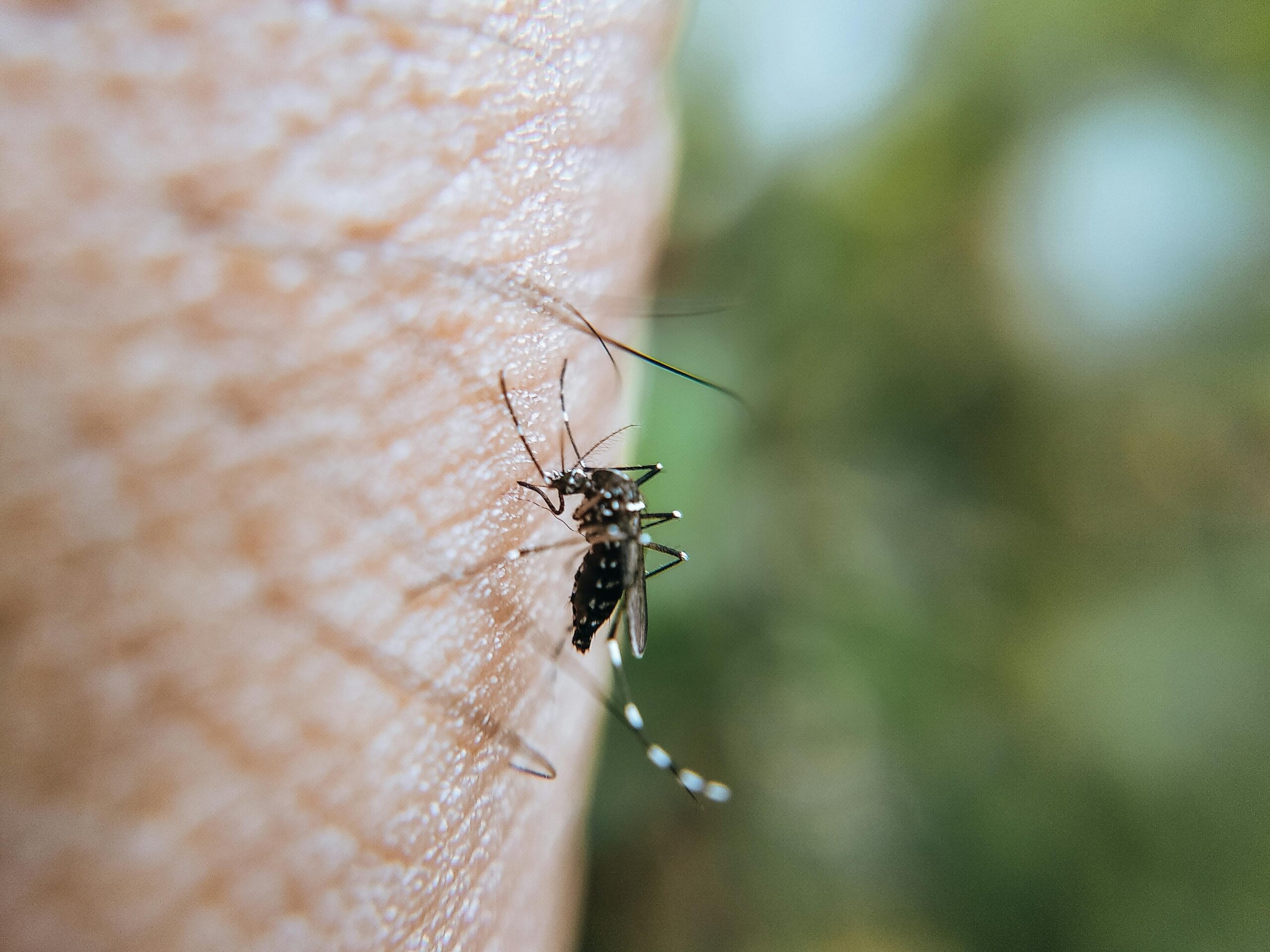
Mosquitoes are more than just a nuisance in South Asia—they are one of the deadliest disease-carrying insects in the region. Countries such as India, Bangladesh, Pakistan, Sri Lanka, Nepal, Afghanistan, Bhutan, and the Maldives face serious public health challenges due to mosquito-borne diseases.
Warm climates, high humidity, rapid urbanization, and poor sanitation create ideal conditions for mosquito breeding. As a result, millions of people are exposed every year to diseases that can cause long-term illness or even death. This article explains why mosquitoes are especially harmful in South Asia, the health risks they pose, and how individuals and communities can protect themselves.
Why Mosquitoes Are a Serious Problem in South Asia
South Asia provides an ideal environment for mosquitoes to thrive due to several interconnected factors.
Warm and Humid Climate
Most South Asian countries experience long warm seasons with high humidity and monsoon rains. These conditions allow mosquitoes to breed year-round, unlike colder regions where mosquito populations decline in winter.
Monsoon Rainfall and Standing Water
Heavy rainfall during monsoon seasons leads to water accumulation in:
- Open drains
- Puddles
- Construction sites
- Water storage containers
Standing water becomes a perfect breeding ground for mosquitoes.
Rapid Urbanization and Poor Sanitation
Unplanned urban growth, overcrowded housing, and inadequate waste management contribute to mosquito proliferation. Blocked drains, garbage accumulation, and untreated sewage create ideal mosquito habitats.
Limited Vector Control Infrastructure
Many areas lack effective mosquito control programs, regular fumigation, and public awareness campaigns. Rural and low-income urban communities are especially vulnerable.
Common Mosquito Species in South Asia
Several mosquito species are responsible for spreading diseases in the region.
Aedes Mosquito
- Active during daytime
- Breeds in clean standing water
- Spreads dengue, Zika, chikungunya, and yellow fever
Anopheles Mosquito
- Active mostly at night
- Breeds in clean or slightly polluted water
- Spreads malaria
Culex Mosquito
- Breeds in dirty or polluted water
- Active at night
- Spreads filariasis and Japanese encephalitis
Major Mosquito-Borne Diseases in South Asia
Mosquitoes transmit several dangerous diseases that affect millions each year.
Dengue Fever
Dengue is a mosquito-borne viral disease widespread in South Asia, particularly during and after the monsoon season. It is transmitted mainly by the Aedes aegypti mosquito.
Symptoms:
- Sudden high fever (often above 39°C / 102°F)
- Severe headache, especially behind the eyes
- Intense muscle and joint pain (“breakbone fever”)
- Nausea and vomiting
- Skin rash appearing a few days after fever onset
- Fatigue and weakness
Severe Dengue (Dengue Hemorrhagic Fever):
- Bleeding from gums or nose
- Blood in urine or stool
- Severe abdominal pain
- Persistent vomiting
- Internal bleeding and shock (can be life-threatening)
Malaria
Malaria is caused by Plasmodium parasites and transmitted through the bite of infected Anopheles mosquitoes. It remains a major public health concern in parts of South Asia.
Symptoms:
- Recurrent high fever with chills and sweating
- Headache and body aches
- Fatigue and weakness
- Nausea, vomiting, and diarrhea
- Anemia due to destruction of red blood cells
Severe Malaria:
- Confusion or altered consciousness
- Difficulty breathing
- Organ failure (kidneys, liver)
- Seizures
- Can be fatal if not treated promptly
Chikungunya
Chikungunya is a viral disease spread by Aedes mosquitoes and often occurs alongside dengue outbreaks.
Symptoms:
- Sudden high fever
- Severe joint pain (hands, wrists, ankles, knees)
- Joint swelling and stiffness
- Muscle pain
- Headache
- Skin rash
- Fatigue
Long-Term Effects:
- Joint pain may persist for months or even years
- Chronic arthritis-like symptoms in some patients
Zika Virus
Zika is a mosquito-borne viral infection that is usually mild but poses serious risks during pregnancy.
Symptoms (often mild or absent):
- Low-grade fever
- Skin rash
- Red eyes (conjunctivitis)
- Joint and muscle pain
- Headache
Serious Concerns:
- Infection during pregnancy can cause birth defects such as microcephaly
- Rare neurological complications like Guillain-Barré syndrome
Filariasis (Elephantiasis)
Filariasis is a parasitic infection caused by microscopic worms and transmitted by Culex mosquitoes. It leads to chronic and disabling conditions.
Early Symptoms:
- Fever
- Chills
- Headache
- Swollen lymph nodes
Chronic Symptoms:
- Severe swelling of legs, arms, breasts, or genitals
- Thickening and hardening of the skin
- Recurrent bacterial infections
- Long-term disability and social stigma
Health Effects of Mosquito-Borne Diseases
Mosquito-borne illnesses can have both short-term and long-term health consequences.
Short-Term Health Effects
- High fever and chills
- Severe headaches
- Joint and muscle pain
- Nausea and vomiting
- Fatigue and weakness
Long-Term Health Effects
- Chronic joint pain (chikungunya)
- Organ damage
- Anemia and malnutrition
- Physical disability (filariasis)
- Increased risk for infants, elderly, and pregnant women
Repeated infections also weaken immunity and reduce overall quality of life.
Economic and Social Impact
Beyond health, mosquito-borne diseases affect daily life and economies:
- Increased healthcare costs
- Lost workdays and reduced productivity
- School absenteeism
- Strain on public health systems
These impacts are particularly severe for low-income families.
Prevention and Control of Mosquitoes
Preventing mosquito-borne diseases requires both personal action and community-level efforts.
Personal Prevention Measures
- Use mosquito nets while sleeping
- Apply mosquito repellents
- Wear long-sleeved clothing
- Use window screens and electric mosquito repellents
Home and Community Prevention
- Eliminate standing water around homes
- Cover water storage containers
- Clean drains regularly
- Dispose of garbage properly
Public Health Measures
- Regular fumigation in high-risk areas
- Community awareness programs
- Monitoring and early detection of outbreaks
- Vaccination programs where available
Role of Awareness and Community Action
Public awareness is one of the most effective tools against mosquito-borne diseases. Educating communities about breeding sites, early symptoms, and preventive measures can significantly reduce disease spread.
Community participation, combined with government action, plays a crucial role in controlling mosquito populations.
Final Thoughts
Mosquitoes in South Asian countries pose a serious and ongoing threat to public health. The combination of climate conditions, urban challenges, and limited resources has made mosquito-borne diseases a persistent problem.
However, with proper awareness, preventive practices, and coordinated public health efforts, the risks can be significantly reduced. Protecting yourself from mosquitoes is not just about comfort—it is about safeguarding health, livelihoods, and lives.