
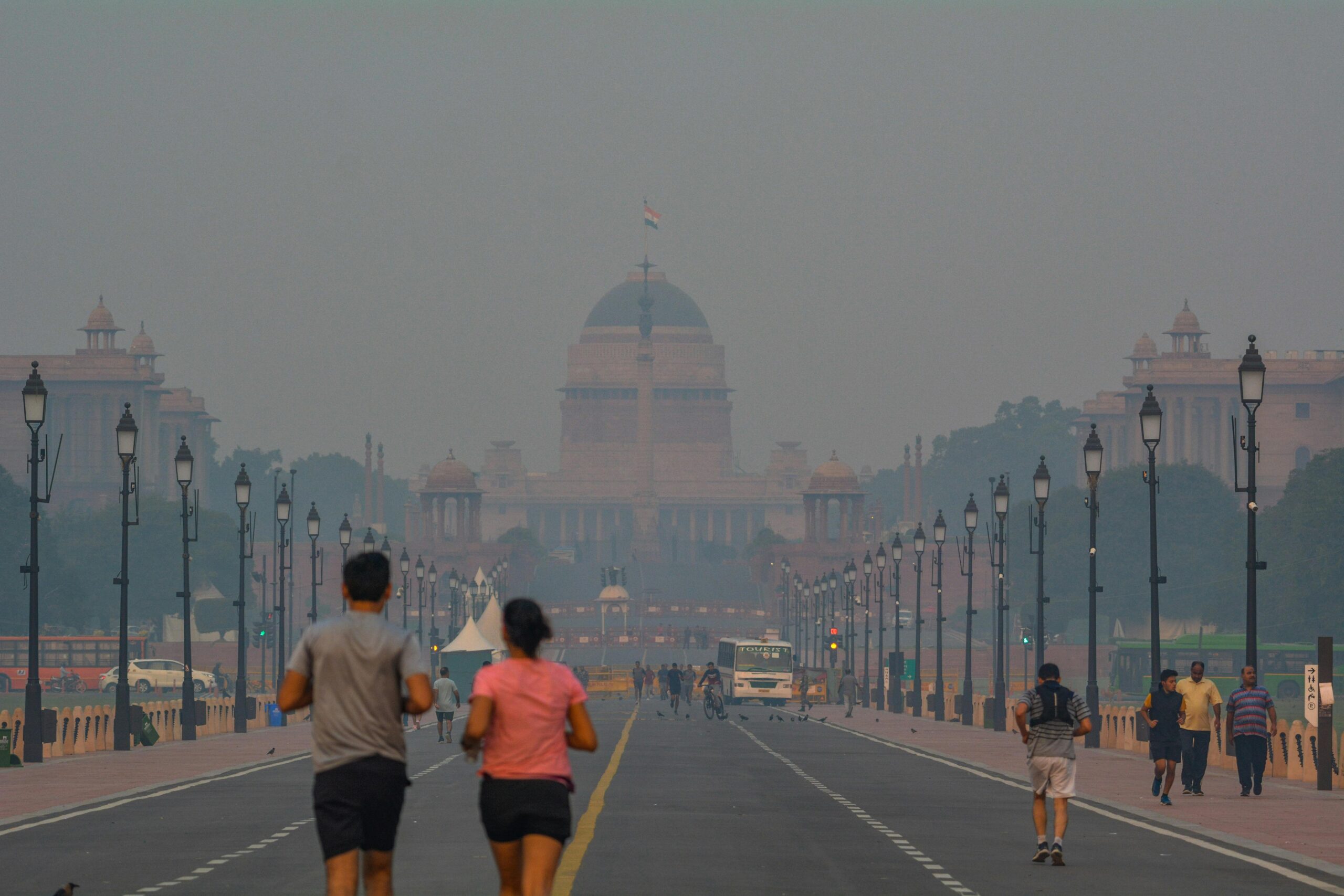
Understanding Air Quality and AQI in India
Air quality is measured using the Air Quality Index (AQI), a system that converts complex air pollution data into a simple numerical scale. In India, AQI monitoring is managed by the Central Pollution Control Board (CPCB) under the National Air Quality Monitoring Programme.
The AQI categories in India are:
- Good
- Satisfactory
- Moderate
- Poor
- Very Poor
- Severe
Higher AQI values indicate greater health risks, especially for children, elderly people, and individuals with respiratory or cardiovascular conditions.
Major Air Pollutants in India
Air pollution in India is made up of a combination of harmful gases and microscopic particles released into the atmosphere from human activities and natural processes. These pollutants differ in size, chemical composition, and impact on health and the environment.
Some pollutants remain suspended in the air for long periods, while others react with sunlight and other compounds, intensifying pollution levels. Understanding the major air pollutants is essential for assessing air quality, identifying pollution sources, and developing effective strategies to reduce exposure and improve public health.
Particulate Matter (PM2.5 and PM10)
Particulate matter is the most harmful pollutant affecting air quality in India. PM2.5 particles are extremely small and can penetrate deep into the lungs and bloodstream, causing long-term health damage. PM10 particles mainly affect the respiratory system.
Nitrogen Dioxide (NO₂)
Nitrogen dioxide is produced mainly by vehicle emissions, power plants, and industrial activities. It irritates airways and increases the risk of asthma and lung infections.
Sulfur Dioxide (SO₂)
Released from coal-fired power plants and industrial processes, sulfur dioxide affects lung function and contributes to acid rain.
Carbon Monoxide (CO)
Carbon monoxide is produced by incomplete combustion of fuels. High exposure reduces the blood’s ability to carry oxygen, posing serious health risks.
Ground-Level Ozone (O₃)
Ozone forms when pollutants react with sunlight. It causes chest pain, coughing, and breathing difficulties, especially during warmer months.
Major Causes of Poor Air Quality in India
The poor air quality experienced across many parts of India is the result of multiple overlapping factors rather than a single source. Rapid urbanization, population growth, and economic development have increased energy consumption, transportation demand, and industrial activity.
At the same time, limited pollution control infrastructure and inconsistent enforcement of environmental regulations have allowed harmful emissions to accumulate in the atmosphere. Understanding these underlying causes is essential for designing effective policies and long-term solutions to improve air quality nationwide.
Vehicle Emissions
The rapid increase in private vehicles and traffic congestion in Indian cities significantly contributes to air pollution. Older vehicles and diesel engines are major sources of nitrogen oxides and particulate matter.
Industrial and Power Plant Emissions
Industries, coal-based power plants, refineries, and brick kilns release large quantities of pollutants into the atmosphere. Industrial belts around major cities often experience severe air quality degradation.
Construction Activities and Road Dust
Unregulated construction, demolition activities, and poorly maintained roads generate large amounts of dust, contributing heavily to PM10 pollution in urban areas.
Crop Residue Burning
Seasonal burning of crop residue, especially in northern India, leads to sharp spikes in air pollution during post-harvest months. Smoke from stubble burning affects air quality across entire regions.
Household Fuel Use
In many rural and low-income households, biomass fuels such as firewood, coal, and cow dung are still used for cooking. This contributes to both indoor and outdoor air pollution.
Seasonal Variation in Air Quality
Air pollution levels in India vary throughout the year due to meteorological conditions:
- Winter: Pollution worsens due to temperature inversion, low wind speed, and increased burning activities
- Summer: Dust storms and ground-level ozone pollution increase
- Monsoon: Rainfall helps reduce pollution by washing pollutants out of the atmosphere
Northern India typically experiences the worst air quality during winter.
Health Impacts of Air Pollution in India
Poor air quality has severe short-term and long-term health effects, including:
- Asthma and chronic bronchitis
- Respiratory infections
- Heart disease and stroke
- Reduced lung development in children
- Increased risk of premature death
Long-term exposure to polluted air significantly reduces life expectancy in many parts of India.
Environmental and Economic Impacts
Air pollution damages ecosystems, crops, forests, and water bodies. Ozone pollution reduces agricultural yields, while acid rain degrades soil and vegetation.
Economically, air pollution increases healthcare costs, reduces worker productivity, and places a heavy burden on public health systems and national development.
Government Initiatives to Improve Air Quality
The Indian government has introduced several measures to tackle air pollution:
- National Clean Air Programme (NCAP)
- Bharat Stage VI emission standards
- Promotion of electric vehicles
- Expansion of air quality monitoring stations
- Clean cooking fuel initiatives
While progress has been made, consistent enforcement and stronger local implementation are still required.
What Individuals Can Do to Improve Air Quality
Individuals can also help reduce air pollution by:
- Using public transport or carpooling
- Reducing energy consumption
- Avoiding waste and biomass burning
- Supporting clean energy solutions
- Monitoring daily AQI levels and taking precautions
Small individual actions can collectively lead to significant improvements.
Final Thoughts
Air quality in India is a complex challenge that affects public health, the environment, and economic growth. Addressing this issue requires coordinated efforts from governments, industries, communities, and individuals.
Improving air quality is essential for building a healthier, more sustainable future for India. Clean air is not optional—it is a fundamental necessity for life.