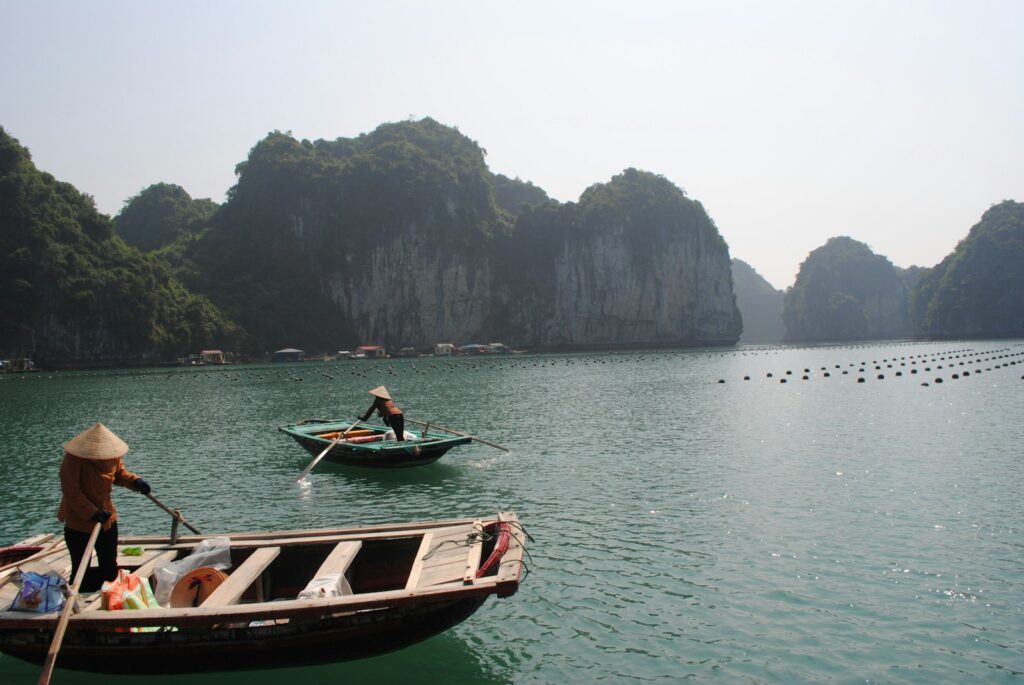
Water pollution is one of the most serious environmental challenges facing South Asia today. The region, which includes India, Bangladesh, Pakistan, Nepal, Sri Lanka, Bhutan, Afghanistan, and the Maldives, is home to nearly one-fourth of the world’s population. Rivers, lakes, groundwater, and coastal waters are essential for drinking, agriculture, industry, and daily life, yet many of these water sources are now heavily polluted.
Rapid urbanization, population growth, industrial expansion, and weak waste management systems have contributed to the alarming deterioration of water quality across South Asia. This article explores the main causes of water pollution, its environmental and health impacts, and the solutions needed to protect water resources in the region.
What Is Water Pollution?
Water pollution occurs when harmful substances such as chemicals, waste, microorganisms, or plastics enter water bodies and degrade water quality. Polluted water becomes unsafe for human consumption, agriculture, and aquatic ecosystems.
In South Asia, both surface water and groundwater sources are affected, making access to clean water a growing concern for millions of people.
Major Causes of Water Pollution in South Asia
Water pollution in South Asia is driven by a combination of human activities, rapid development, and weak environmental governance. As populations grow and cities expand, pressure on water resources continues to increase. Inadequate infrastructure, poor waste management, and unsustainable industrial and agricultural practices have resulted in large volumes of pollutants entering rivers, lakes, and groundwater systems. Understanding these key causes is essential for developing effective strategies to reduce pollution and protect water resources across the region.
Untreated Sewage and Domestic Waste
Untreated or poorly treated sewage is one of the largest contributors to water pollution in South Asia. Many cities lack sufficient wastewater treatment facilities, leading to the direct discharge of household waste into rivers and canals.
Rivers such as the Ganges, Yamuna, Buriganga, Indus, and Meghna receive enormous volumes of sewage every day, severely degrading water quality.
Industrial Discharge
Industrial activities play a major role in water pollution across the region. Textile factories, tanneries, chemical plants, paper mills, and pharmaceutical industries often release untreated or partially treated wastewater into nearby water bodies.
These effluents contain heavy metals, toxic chemicals, acids, and synthetic dyes that contaminate water and harm aquatic life.
Agricultural Runoff
Agriculture is central to South Asia’s economy, but excessive use of chemical fertilizers and pesticides causes polluted runoff. Rainwater carries these chemicals into rivers, lakes, and groundwater.
This leads to algal blooms, reduced oxygen levels, and the destruction of aquatic ecosystems, affecting both biodiversity and drinking water sources.
Plastic and Solid Waste Pollution
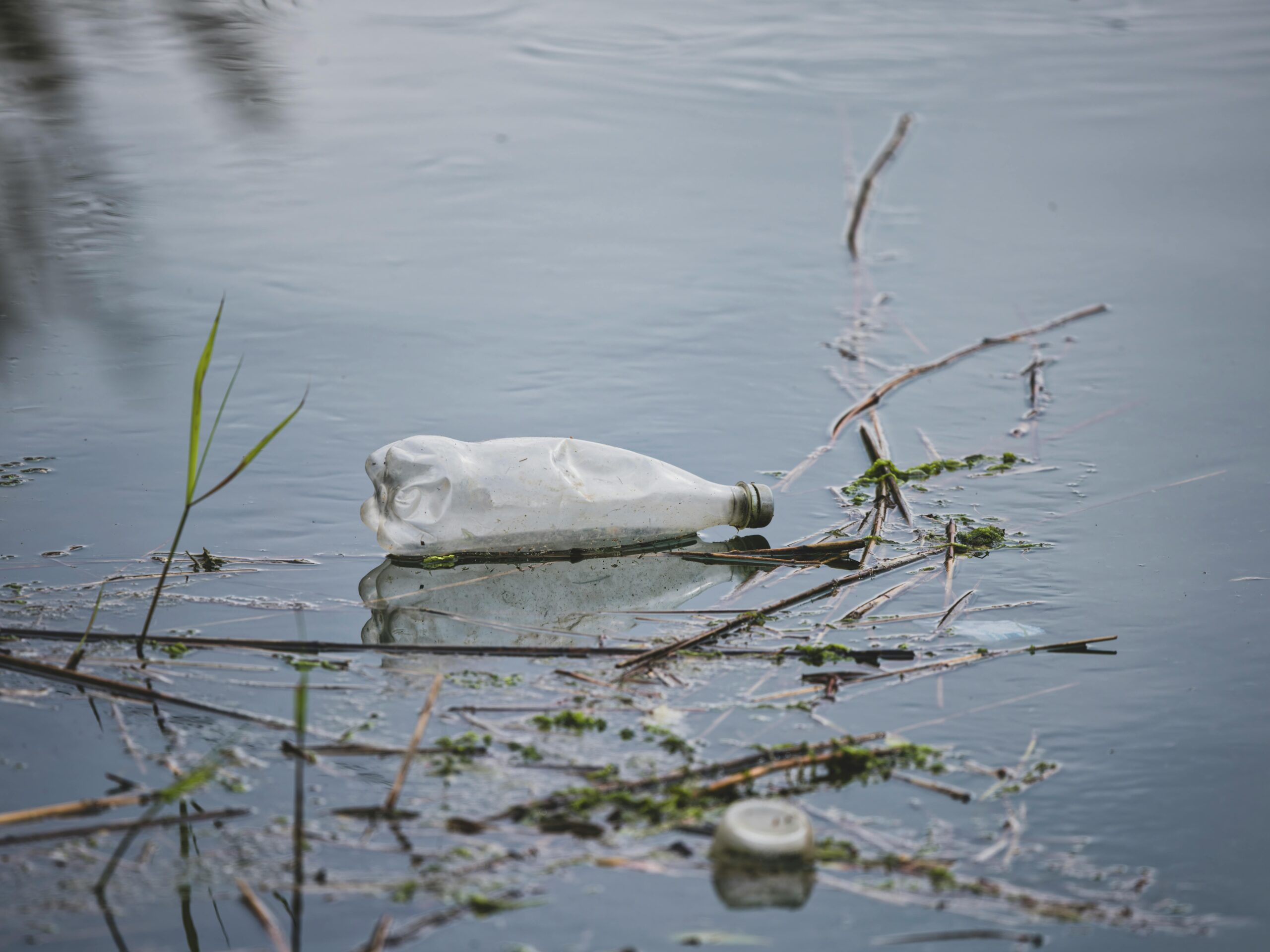
Poor solid waste management has resulted in widespread plastic pollution. Plastic bags, bottles, and packaging are often dumped into open areas and waterways, eventually reaching rivers and oceans.
Plastic pollution blocks drainage systems, harms aquatic animals, and contributes to long-term environmental damage.
Groundwater Contamination
Groundwater is a primary source of drinking water for millions in South Asia. Industrial chemicals, agricultural runoff, and naturally occurring contaminants such as arsenic have polluted many groundwater sources.
Arsenic contamination poses serious long-term health risks, particularly in parts of Bangladesh and India.
Environmental Impacts of Water Pollution
Water pollution severely damages ecosystems across South Asia. It leads to the loss of aquatic biodiversity, fish deaths, destruction of wetlands, and degradation of river and coastal habitats.
Polluted water bodies struggle to support life, threatening ecological balance and environmental sustainability.
Health Impacts on Human Populations
Unsafe water is a major public health concern in South Asia. Contaminated water contributes to the spread of waterborne diseases such as diarrhea, cholera, typhoid, and dysentery.
Long-term exposure to polluted water can also cause skin diseases, organ damage, and developmental issues, with children and low-income communities being the most vulnerable.
Economic Consequences of Water Pollution
Water pollution places a heavy economic burden on South Asian countries. It increases healthcare costs, reduces agricultural productivity, damages fisheries, and limits access to clean water for industrial use.
These impacts slow economic growth and deepen social and economic inequalities.
Solutions to Water Pollution in South Asia
Improving wastewater treatment infrastructure is essential to prevent untreated sewage from entering water bodies. Stronger environmental regulations and strict enforcement can reduce industrial pollution.
Promoting sustainable agricultural practices, improving solid waste management, reducing plastic use, and increasing public awareness can significantly lower pollution levels.
Community participation and education play a vital role in protecting local water sources.
The Need for Regional Cooperation
Many major rivers in South Asia cross national borders, making regional cooperation essential. Shared water management strategies, data sharing, and joint pollution control initiatives can improve water quality across the region.
Final Thoughts
Water pollution in South Asia is a serious threat to public health, ecosystems, and economic development. Addressing this challenge requires coordinated efforts from governments, industries, communities, and individuals.
Protecting water resources today is essential for ensuring a healthier and more sustainable future for the region. Clean water is not just an environmental necessity; it is a fundamental human right.